The End of "Agent Fatigue": Why Agentless Discovery is the Future
The End of "Agent Fatigue": Why Agentless Discovery is the Future
When you ask IT administrators about their least favorite tasks, managing software agents inevitably ranks near the top. Historically, installing an agent—a small, locally running program—was the only way to gain deep insights into a server or endpoint. You needed an agent for antivirus, one for backup, one for performance monitoring, and another for IT Asset Management (ITAM) to report which software was installed.
In the classic on-premise world, where servers often ran for years, this approach was still manageable. However, in the modern, highly dynamic, cloud-driven infrastructures of 2026, this paradigm has led to a state the industry calls "Agent Fatigue" or "Agent Bloat."
In this post, we analyze why relying on agents for inventory and security today represents a massive risk and why agentless discovery (Agentless Discovery) via APIs is the only sustainable path to a complete "Single Source of Truth."
The Three Fatal Weaknesses of the Agent Model
Anyone attempting to build their IT documentation (CMDB) or Cyber Asset Attack Surface Management (CAASM) strategy on agents quickly hits hard operational limits:
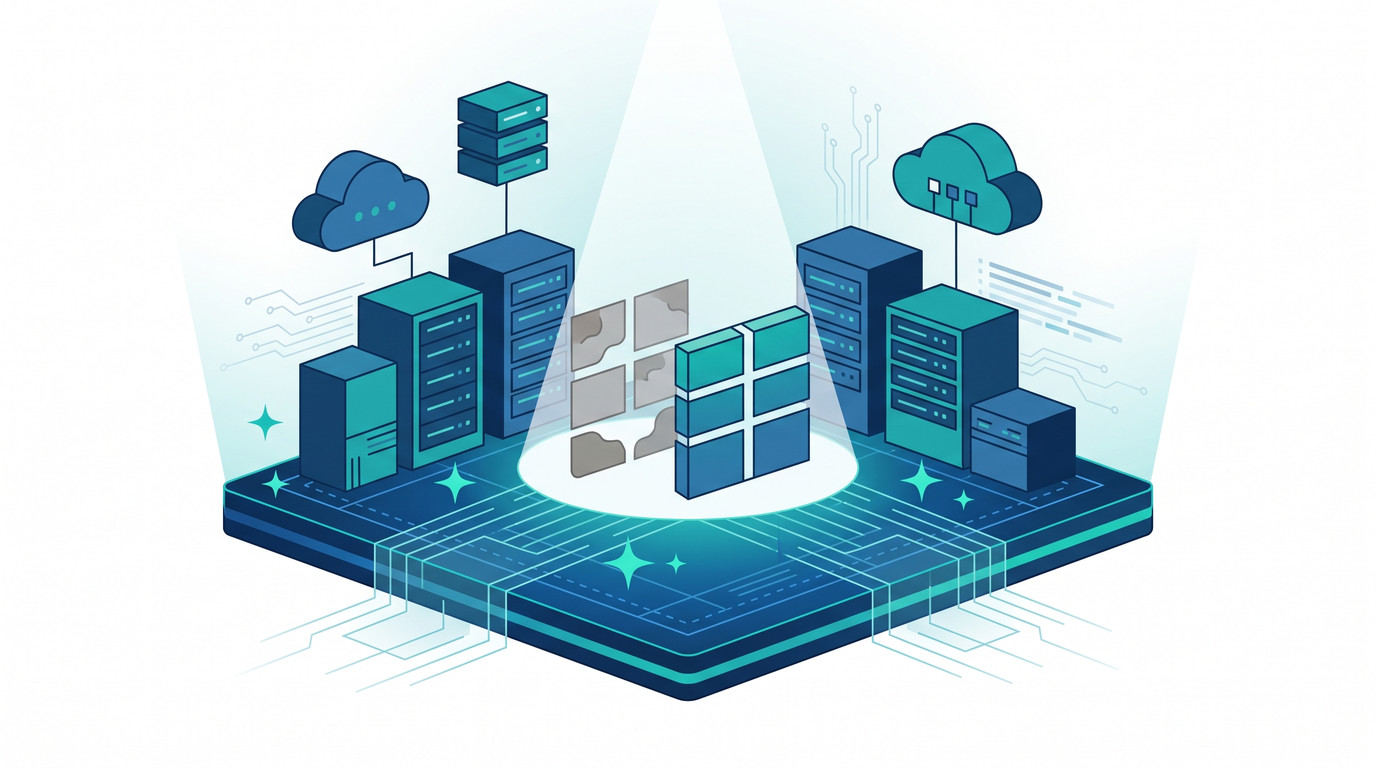
- The Installation Blind Spot (Who captures Shadow IT?) An agent can only send data if it has been successfully installed and is running. This is a classic chicken-and-egg problem. If a developer unauthorizedly spins up a cloud server on AWS (Shadow IT) or a department sets up a new virtual machine and "forgets" to run the standard installation script for the ITAM agent, that system remains invisible. Your dashboard shows you 1,000 servers because 1,000 servers have the agent. You only find out that there are another 150 unpatched servers running in the cloud without agents when the ransomware ransom note arrives. A system based on agents inherently cannot find unknown assets (Unknown Unknowns).
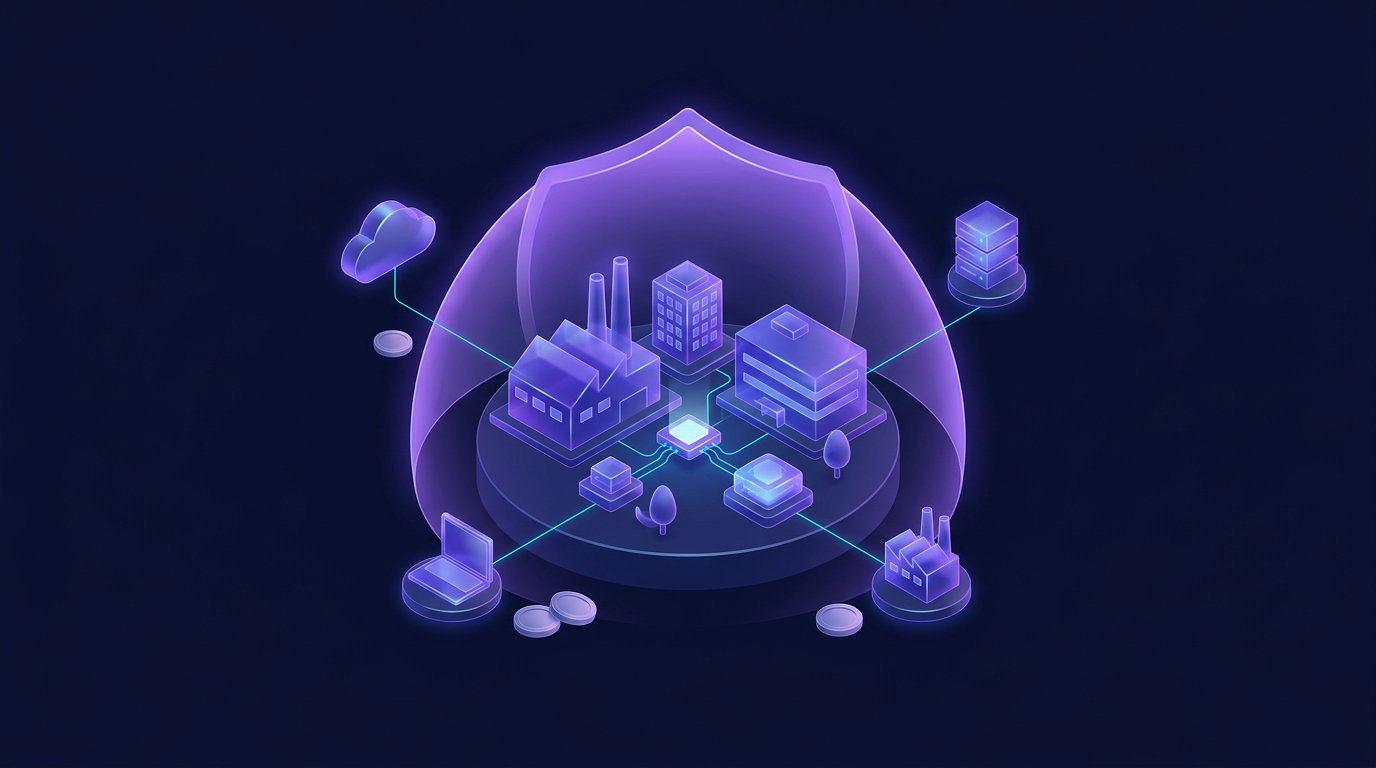
- Ephemeral IT and OT Incompatibility In modern Kubernetes clusters or serverless architectures, "assets" often exist for only a few minutes or hours (Ephemeral IT) to handle peak loads. Injecting a heavy management agent into these tiny, fleeting containers is architectural nonsense. It is even more dramatic in Operational Technology (OT): If you try to install a standard IT agent on a sensitive Siemens PLC controller in a production plant, you lose the manufacturer's warranty at best and paralyze the assembly line at worst.
- Performance Degredation and Administrative Nightmare Every agent consumes CPU cycles, memory, and network bandwidth. If too many agents run on a system, they compete for resources and destabilize business-critical applications (even leading to system-wide crashes after faulty agent updates). Furthermore, agents must be maintained, updated, and reconfigured during operating system changes—a massive, unproductive effort for your IT team.
The Paradigm Shift: Agentless Discovery via API
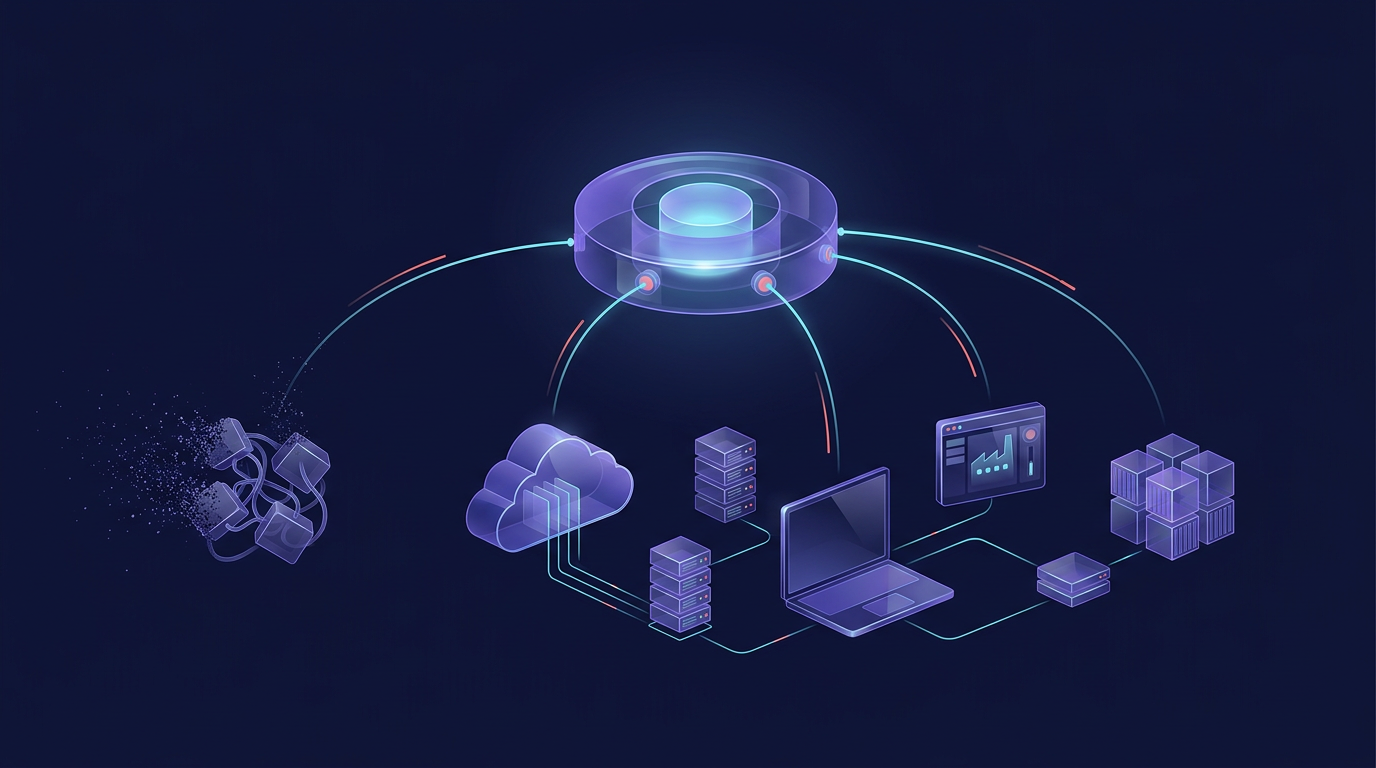
The realization of recent years is: We don't need to distribute new agents to get data. The data is already there. it resides in the central control and management layers (Control Planes) of the infrastructure.
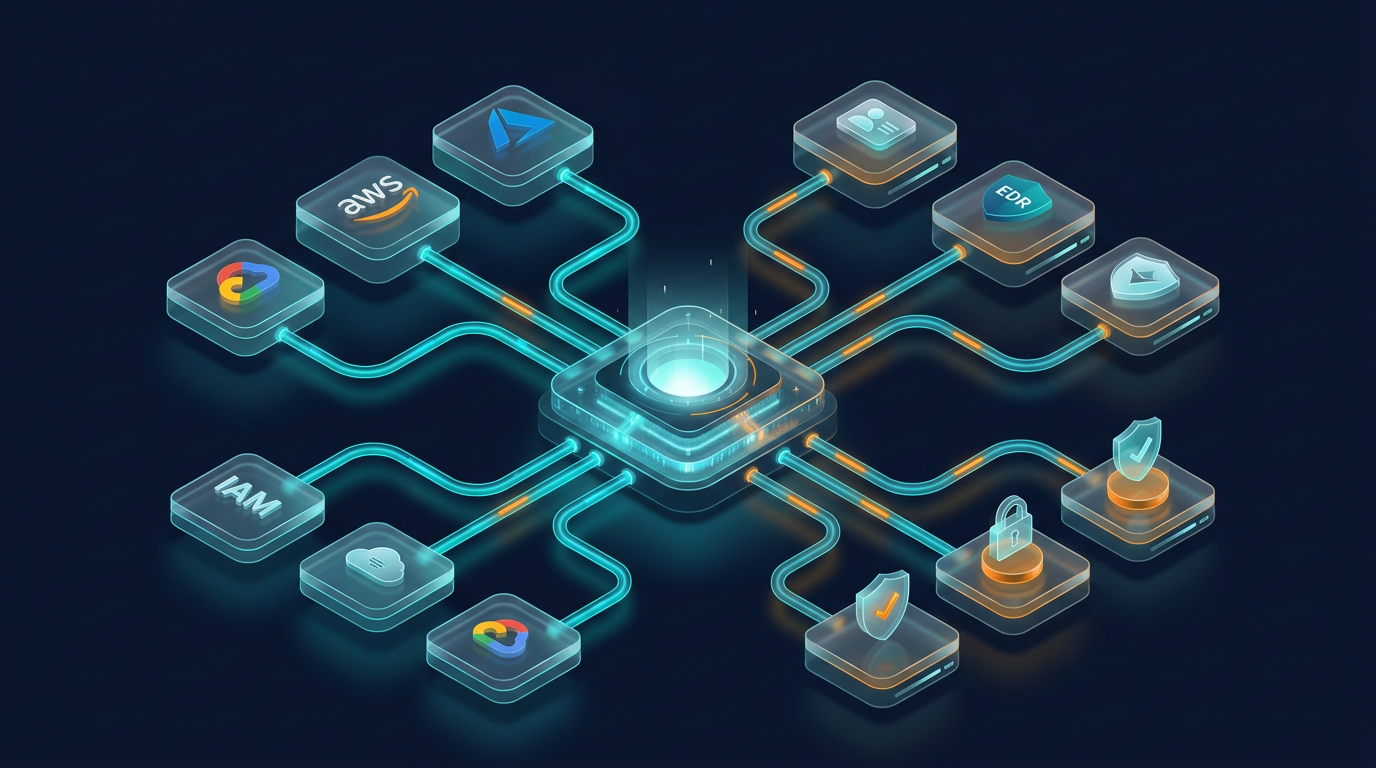
Modern asset data platforms like Qbilon revolutionize visibility by working completely agentless (Agentless). Instead of querying servers individually, the platform communicates via standardized APIs directly with the "brains" of your IT:
- Cloud APIs: AWS, Microsoft Azure, Google Cloud.
- Virtualization & Infrastructure: VMware vCenter, Kubernetes APIs, Cisco network controllers.
- Identity & Security: Entra ID (Active Directory), CrowdStrike, Tenable.
The Massive Benefits for Your Company
This API-driven approach solves the problems of agent fatigue in one fell swoop:
- 100% Incorruptible Coverage When Qbilon queries the AWS API, the cloud returns every running system. A server cannot hide from the cloud's billing API. Shadow IT also becomes visible in milliseconds. "Unknown Unknowns" become "Known Knowns."
- Immediate Time to Value (Instant ROI) If you want to roll out an agent-based system in a company with 5,000 servers, you need a project lasting months, countless change requests, and maintenance windows. To connect Qbilon to your AWS or Azure environment, you only need to provide a read-only service account (API key). The process takes ten minutes. An hour later, you have a complete, historized architecture map of your entire cloud infrastructure.
- Zero Impact on Production Since the platform only talks to the management APIs and does not interfere with the operating systems of the production servers, there are exactly zero (0.0%) performance losses on your business systems. The stability of IT operations remains untouched, while transparency for the CISO rises to 100%.
Conclusion: Collect Data Smarter
The attempt to manage the complexity of modern, hybrid IT landscapes by rolling out more and more local agents has failed. It is Sisyphus work that ties up your administrators and leaves dangerous security gaps in the blind spots.
Agentless discovery is not just a technological alternative—in the era of Ephemeral IT, IoT, and Shadow IT, it is the only reliable method for building a resilient "Single Source of Truth." Relieve your team of agent fatigue. Harness the power of APIs and let your infrastructure do the work for you.