Security Hygiene: The Often Underestimated Foundation of Cybersecurity
Security Hygiene: The Often Underestimated Foundation of Cybersecurity
It is October, and for the global IT industry, that means: it is Cyber Security Awareness Month (CSAM). During this month, publications, webinars, and campaigns abound to raise awareness of digital threats. Topics range from phishing training for employees to the dangers of AI-powered deepfakes and highly complex geopolitical ransomware cartels.
All these topics are important and highly topical. But when you talk to incident response teams away from the big stages—those experts who are called into companies at night when screens stay black and ransom notes appear on printers—a shockingly banal picture emerges.
The vast majority of devastating cyberattacks are not based on novel, unstoppable super-viruses (zero-days). They are based on the failure of the most fundamental of all disciplines: Security Hygiene (IT security hygiene). In this post, we are using Cyber Security Month as a wake-up call to show why the most brilliant defense strategy is doomed to fail without clean, automated IT hygiene.
What is Security Hygiene? (And Why Do We Hate It?)
The term hygiene rarely sparks enthusiasm. It implies constant, unexciting routine. Brushing teeth, washing hands, tidying up. In IT, security hygiene means exactly that: the continuous, unglamorous basic tasks that keep a network healthy.
The three main pillars of IT hygiene are:
- Asset Inventory (Visibility): Knowing exactly which hardware, software, cloud services, and IoT devices exist in the network.
- Patch Management: Updating software and operating systems immediately as soon as security vulnerabilities become known.
- Configuration Management: Ensuring that systems are configured securely (e.g., no default passwords, no open ports to the internet, least-privilege principle).
Why do so many companies fail at these basics? Because it is hard, endless administrative work. It is much easier to approve a million dollars for a new next-generation firewall and consider the problem "solved" than to manually inventory and patch the 500 forgotten test servers in the cloud.
The Consequences of Poor Hygiene
Neglecting these basics has catastrophic consequences that often only take their toll months later.
The Hacker's Gateway: Attackers always look for the path of least resistance. If your network is 99 percent perfectly protected with the latest EDR (Endpoint Detection and Response) tools, but 1 percent of your servers (shadow IT) were never recorded and are still running on Windows Server 2012, your fortress has fallen. The hacker finds this 1 percent, uses the outdated software as a gateway, and spreads laterally (sideways) from there into the highly protected area.
The Illusion of the Tool Stack: Companies often operate a huge arsenal of security tools (vulnerability scanners, SIEM, IAM). However, all these tools only work on the assets they actually know. If you do not have seamless IT documentation (CMDB), your security tools are blind. They produce reports that convey a false sense of security. A vulnerability scanner that does not know the marketing department's cloud subnet will never issue a warning for that subnet.
Hygiene Cannot Be Delegated – Only Automated
How do we break this vicious cycle of boring routine and massive security risks? The answer in 2026 is: through radical automation of the foundation.
You cannot offload IT hygiene to your already overburdened administrators by asking them to "maintain Excel lists better." The infrastructure (cloud, containers, OT) is far too dynamic for human pace.
A unified asset data platform like Qbilon automates security hygiene from the ground up:
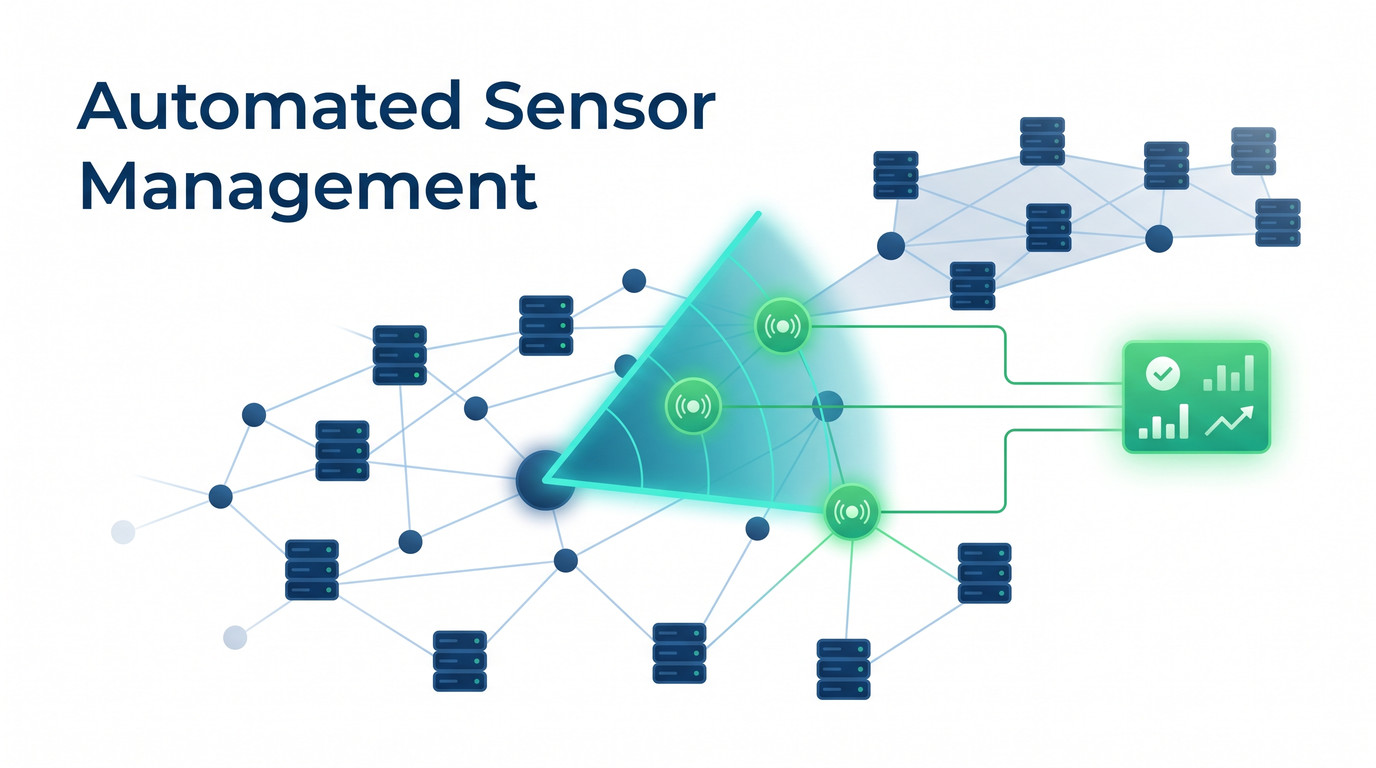
- Continuous Visibility: Through API integrations into the cloud and networks, there are no more blind spots. The platform provides the answer to the first pillar of hygiene in real time: What actually exists?
- Identification of Gaps (CAASM): The platform correlates the knowledge of the systems' existence with the data from your security tools. It doesn't show you the thousands of systems that are healthy. It highlights exactly the 15 servers where antivirus protection is missing or the last patch date was three years ago (coverage gaps).
- Historical Proof (Compliance): Hygiene is a basic requirement of NIS-2 and ISO 27001. The platform historicizes the state of your network and proves to auditors that your patch and configuration management has worked seamlessly every day of the year.
Conclusion: Back to Basics
Use Cyber Security Month for an honest assessment. Before you deal with AI-driven threat hunting or defending against quantum cryptography attacks, check your foundation.
As long as you tolerate "shadow IT" in your network, as long as you pay for "orphaned assets" in the cloud, and as long as you operate systems whose patch status you do not know, your IT security is like building a house on quicksand. End the dangerous illusion of manual spreadsheets. Automate your asset management and make security hygiene a quiet, incorruptible background process that gives your company the urgently needed, true resilience.