Asset Data as a Common Language Between IT Admins and the CISO
Asset Data as a Common Language Between IT Admins and the CISO
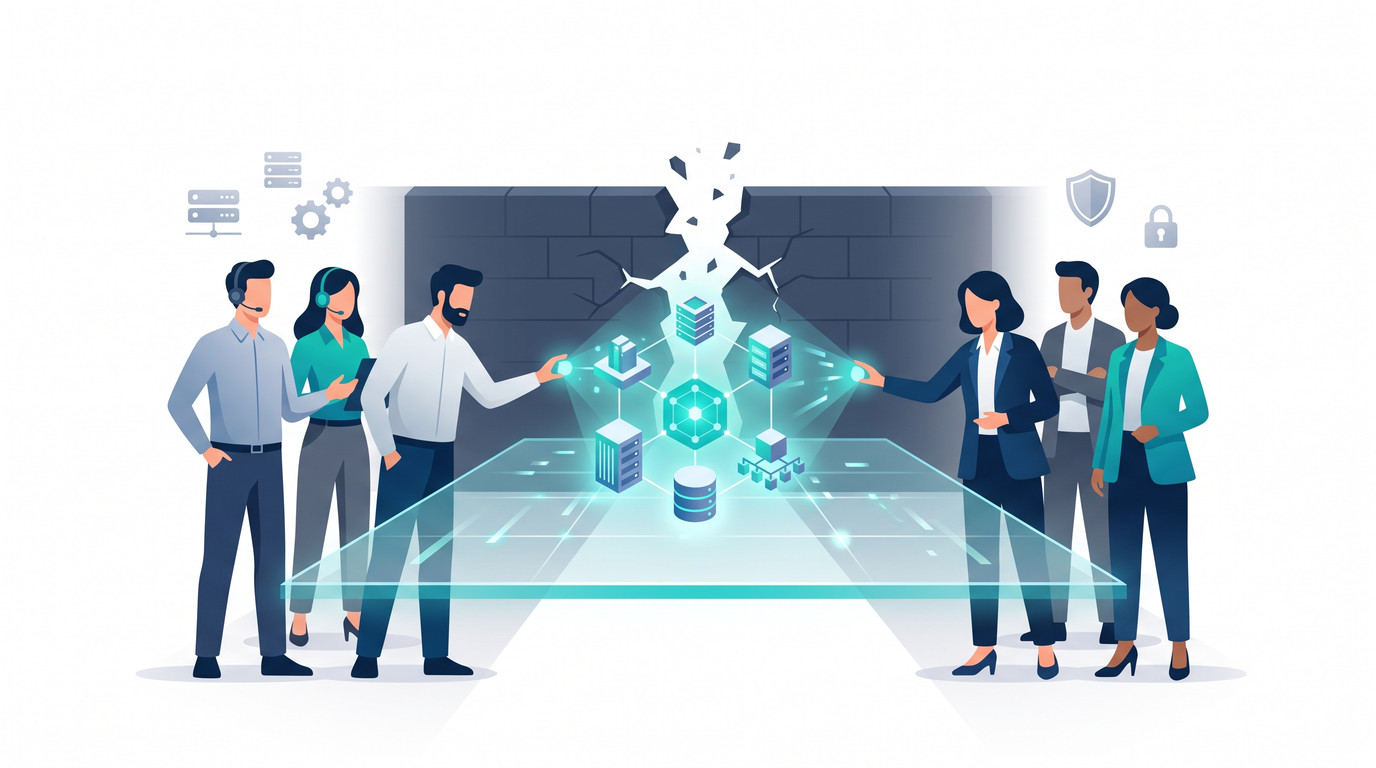
In the psychology of IT organizations, there is an invisible but often very thick wall. On one side of the wall sits the Chief Information Security Officer (CISO) with their Security Operations Center (SOC). On the other side sit the IT administrators, cloud engineers, and network architects (IT Operations).
Although both sides theoretically work for the same company, in practice they often speak completely different languages, have conflicting goals, and view each other with a healthy dose of mistrust.
The CISO demands: "Patch these 100 servers immediately, there's a critical vulnerability!" The IT admin counters: "If I patch that now, the ERP system will fail, and production will stop. We patch on the third Sunday of the month."
This ticket ping-pong, characterized by frustration and escalations, is not only inefficient – it is a massive security risk. When IT operations and security do not cooperate smoothly, valuable time (Time to Remediate) passes during which attackers can exploit vulnerabilities. In this post, we show how automated asset data acts as a universal translator and finally tears down the wall between departments.
The Core Problem: Two Silos, Two Truths
The conflict between Security and IT Operations is rarely personal. It is a structural problem caused by data silos.
The security team looks through the lens of vulnerability scanners (e.g., Tenable, Qualys) and EDR systems. They see IP addresses, CVE numbers (vulnerability IDs), and red CVSS scores (severity levels). What they often do not see is the business context. They don't know what is running on "Server 10.0.5.55".
IT administrators, on the other hand, look through the lens of their virtualization environment (vCenter), their cloud dashboards (AWS, Azure), and their manually maintained CMDB. They know the dependencies, the maintenance windows, and the pain of downtime. But they don't see the acute threat from hackers.
Each team considers its data to be the absolute truth. Communication fails because context is missing.
The "Single Source of Truth" as a Mediator
To resolve this conflict, you must stop throwing data over the fence. You must tear down the fence. The solution is the establishment of a common, neutral data base – a Unified Asset Data platform like Qbilon.
When both teams access the same automated platform, something magical happens: the data is enriched with the context of the other side.
- Context for Security (Risk instead of Noise): The security team no longer just sees an IP address with a CVSS score of 9.8. Through integration with IT operations data, the SOC now sees: "The vulnerability is on the central logistics database (Business Context). The database is not accessible from the internet (Network Context). A restart would paralyze three logistics centers (Dependency Context)." With this knowledge, the CISO no longer demands a blind emergency patch. Instead, they request temporary network isolation (virtual patching) until the regular maintenance window on the weekend is reached. The escalation is averted.
- Transparency for IT Operations (Security by Design): The administrators, in turn, see directly in their architecture dashboard which systems are chronically vulnerable or for which cloud instances they forgot to install the security agent during provisioning (coverage gaps). Security is no longer perceived as a bothersome post-check, but is visible and plannable from day one (Security by Design).
Incident Response: Working Together Against the Clock
The value of this common language becomes most apparent in an emergency. When a ransomware alarm is triggered at night, absolute chaos reigns in organizations without a common data base. Security calls the admins: "Which server do we need to take off the grid?" The admins search through old Excel lists. Valuable minutes pass.
However, if both teams have access to a historized CMDB ("Time Machine"), they work seamlessly in the same dashboard. Security identifies the compromised endpoint. IT Operations immediately sees the dependency mapping, precisely cuts the affected network connections, and initiates the backup of the isolated systems.
Conclusion: Technology as a Cultural Catalyst
The eternal struggle between innovation/stability (IT admins) and risk avoidance (CISO) cannot be solved through meetings or stricter instructions from management. It can only be solved by eliminating the information gap.
Automated asset data is the diplomatic mediator in IT. When you establish a platform that unites the reality of cloud, network, and security in a single, always up-to-date data model, you create more than just technological visibility. You change the corporate culture. Two teams that block each other become a powerful unit that collectively does what really matters: steering the company efficiently and securely into the future.