Shadow IT in the Age of AI Tools and SaaS Sprawl
Shadow IT in the Age of AI Tools and SaaS Sprawl
Shadow IT is not a new phenomenon. IT departments have been fighting for a decade against departments that independently create Dropbox accounts, subscribe to unauthorized marketing tools, or smuggle project management software (like Trello) past IT procurement.
However, what we are witnessing between 2024 and 2026 overshadows everything that came before. The democratization of Software-as-a-Service (SaaS) combined with the explosive spread of Generative Artificial Intelligence (GenAI like ChatGPT, Claude, Jasper, or specialized AI writing aids) has taken the problem of Shadow IT to a completely new, extremely dangerous level.
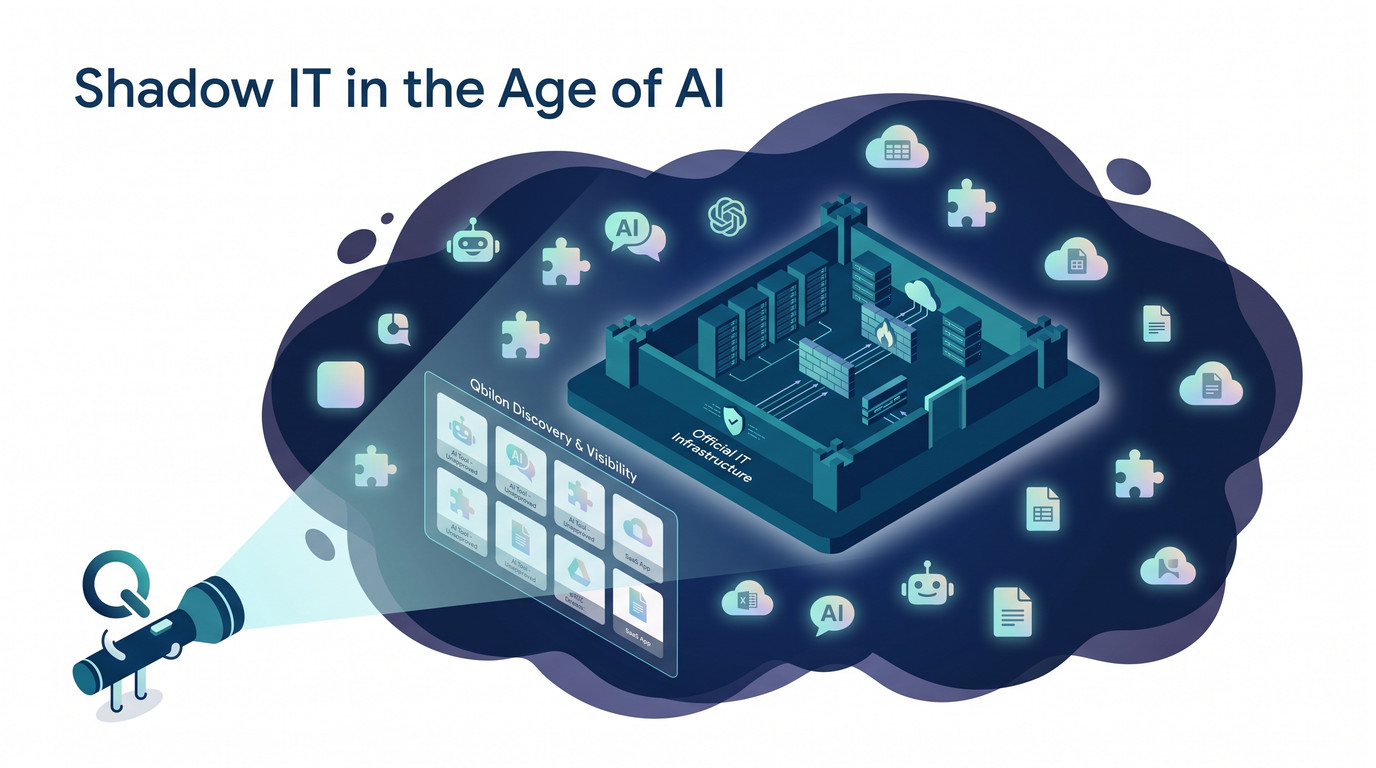
Employees are desperately looking for productivity hacks. If the official IT department is too slow to provide "secure" AI tools, employees take matters into their own hands. In this post, we shed light on why AI-powered Shadow IT represents the single largest risk for massive data loss (Data Exfiltration) and compliance violations, and how you can bring the invisible back under control with a modern asset management approach (CAASM).
The CISO's Nightmare: The Careless AI Prompt
Let's look at an absolutely realistic, everyday scenario. An employee from the finance department needs to summarize a highly sensitive, 50-page strategy paper for an upcoming board meeting. They are under time pressure. For security reasons, the company's internal IT has not yet provided an official, shielded AI tool.
So the employee opens their browser, logs in to a freely available AI summarizer tool (SaaS) with their corporate email, uploads the PDF containing unvarnished balance sheets, M&A plans, and employee data, and types: "Summarize this document in 5 bullet points."
At precisely this moment, the worst-case scenario has occurred. Highly confidential company secrets (and presumably GDPR-relevant data) have left the company's protected perimeter and now reside on the servers of a third-party provider overseas. The terms of use for these (free) AI tools often state that uploaded data may be used to train future AI models. The company has suffered a massive data breach – and the IT department and the CISO know absolutely nothing about it.
Why Bans and Web Filters Fail
The first, panicked reaction of many IT departments to this threat is: Block it! Administrators put the URLs of the most well-known AI tools on the corporate firewall's blacklist. But this approach (Whack-a-Mole) is futile. Every day, hundreds of new AI-powered SaaS applications sprout up. Employees use plugins in their browsers, apps on their phones (BYOD), or bypass blocks through smart workarounds.
Furthermore, a strict ban harms the company. The productivity gains from AI are real and measurable. Those who completely deny their employees access to these tools will fall behind the competition.
Visibility Through Correlation (The CAASM Approach)
The only sustainable way to solve the problem of AI and SaaS Shadow IT is not blanket blocking, but establishing relentless, automated transparency. You can only evaluate and regulate what you can see.
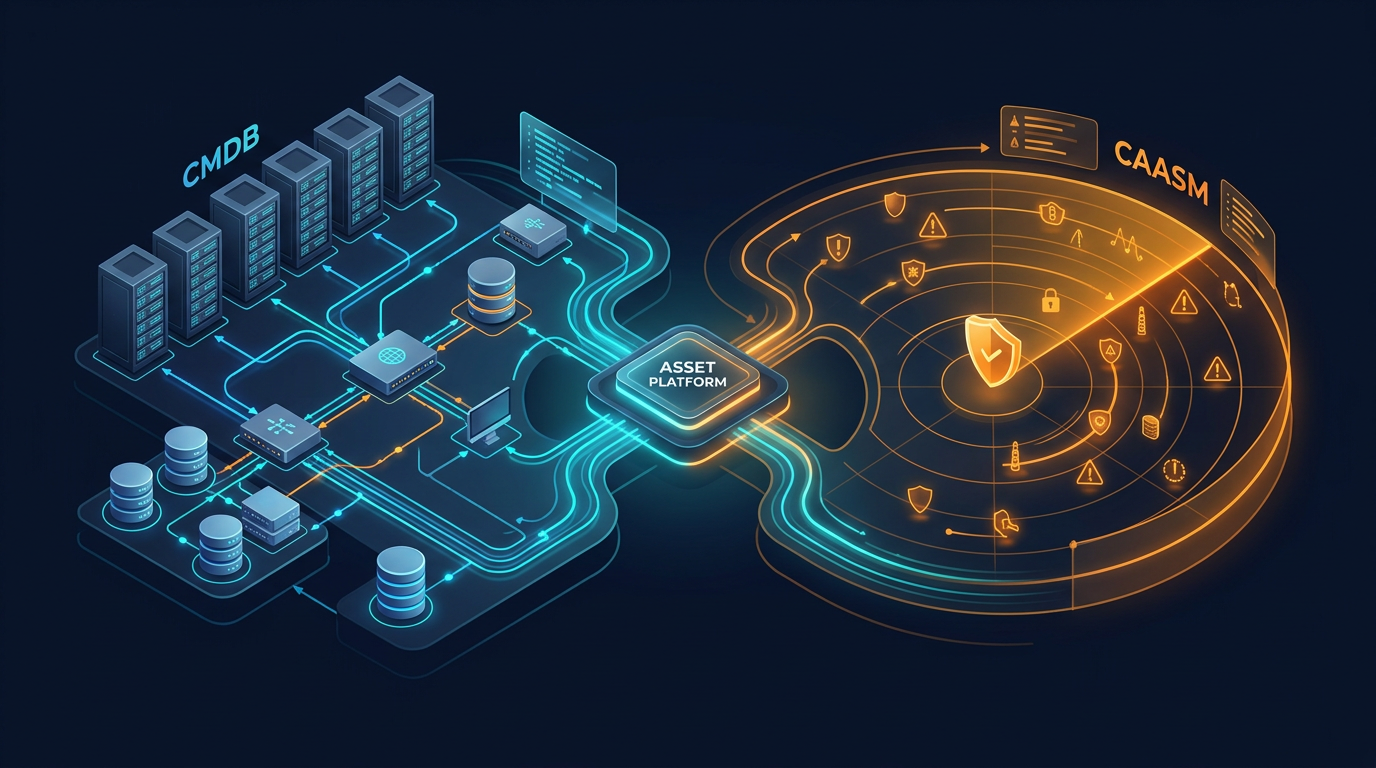
This is where the concept of Cyber Asset Attack Surface Management (CAASM), supported by a platform like Qbilon, unfolds its full impact. Instead of endlessly blocking URLs, the platform correlates the data traces that employees inevitably leave behind when using Shadow IT:
- Identity and SSO Correlation: Most employees prioritize convenience. When signing up for new AI tools, they use the "Login with Microsoft" or "Login with Google" option using their corporate account (Single Sign-On). Qbilon integrates into the central Identity Access Management (Entra ID / Active Directory). The platform immediately detects: "Why are 30 employees suddenly authorizing themselves this week with an application called 'SuperFastAI-Summarizer' that is not in our approved CMDB list?"
- Analysis of Expenses and Cloud Billing: If the AI tool costs 20 dollars a month, the employee submits the receipt as an expense or uses a company credit card. By linking FinOps and ERP data to central asset management, such unauthorized licenses are noticed immediately.
- Network and DNS Correlation: The platform evaluates (in compliance with data protection laws) the metadata from firewalls. If the data volume (upload) towards a previously unknown SaaS domain suddenly reaches gigabytes, the system sounds an alarm.
Conclusion: Embrace Productivity, but with Eyes Wide Open
The sprawl of AI tools and SaaS solutions is the reality of 2026. You cannot stop this development through bans. If employees want to find a way to work faster and more efficiently, they will find it.
Your task as an IT leader or CISO is to guide this innovation into secure channels. The first step is to track down Shadow IT. With an automated, API-driven asset platform, you bring the invisible to light. You recognize which (often insecure) tools are being used, can assess the risk, and then offer employees secure, official alternatives (enterprise licenses with data protection clauses). Protect your company's intellectual property by replacing the chaos of the SaaS world with automated transparency.