Compliance is Not a Project, but a Process
Compliance is Not a Project, but a Process
In most IT departments, work is heavily organized into projects. There is a start date, a defined budget, milestones, and an end date. You migrate the old ERP system to the cloud – project completed. You roll out laptops to the entire workforce – project completed. This way of working is efficient and deeply anchored in the DNA of IT managers.
However, a major danger arises when companies try to tackle regulatory requirements such as the NIS-2 directive, BSI IT-Grundschutz, or ISO 27001 certification with the same project mentality. A CISO receives the mandate: "Make us NIS-2 compliant by October!" A "compliance project" is launched, consultants are flown in, hundreds of pages of guidelines are written, firewalls are configured, and Excel lists (the asset inventory) are hastily filled. In October, the auditor arrives, gives the nod – project successfully completed. The folders are put away in the cabinet.
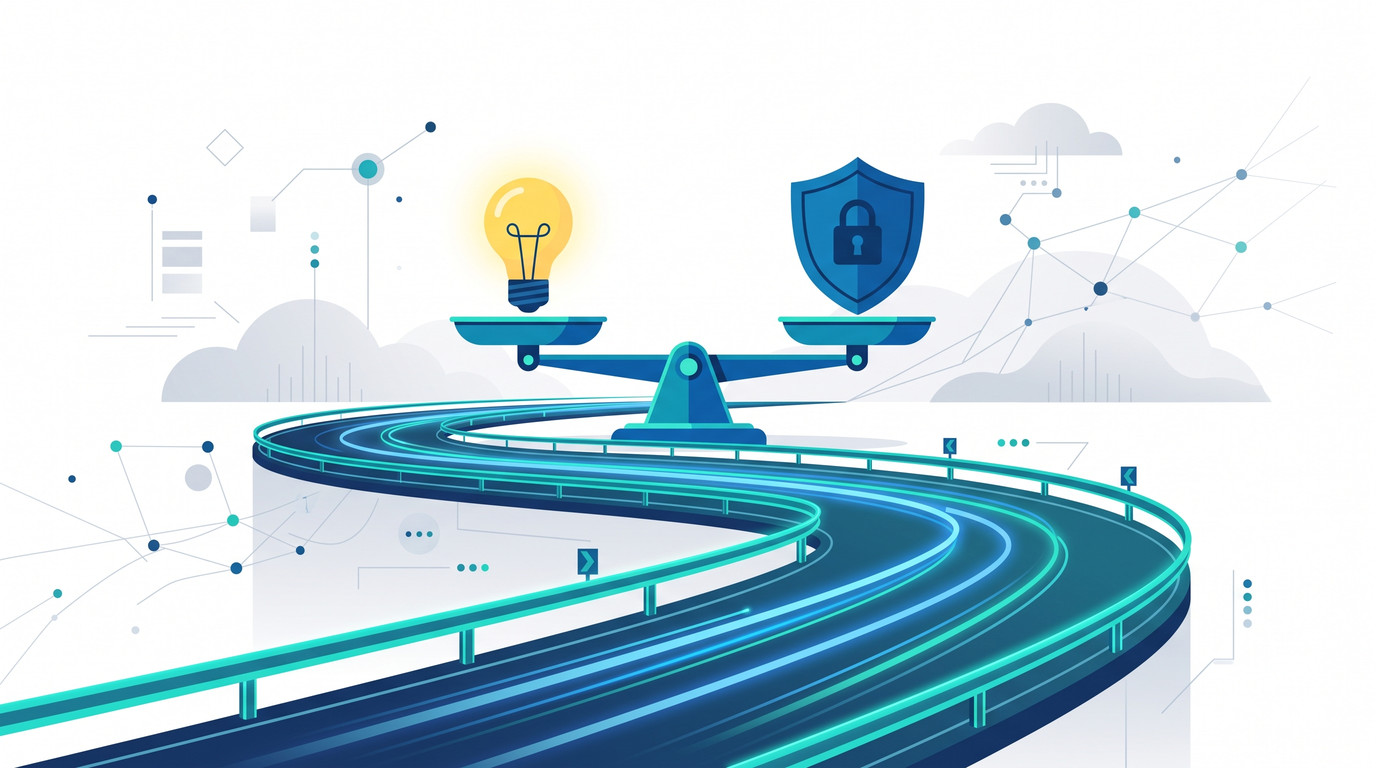
This approach is not just a massive strategic error; in 2026, it is a ticking time bomb. In this post, we shed light on why the half-life of "one-time compliance" in modern IT tends toward zero and how you can achieve the necessary cultural and technological shift toward Continuous Compliance.
The Short Lifespan of Project-Based Compliance
Why does the project approach fail? The answer lies in the breathtaking dynamics of modern IT landscapes and the threat environment.
Suppose you successfully complete your compliance project on October 1st. On October 2nd, the following happens:
- The marketing team independently licenses a new SaaS tool to analyze customer data (Shadow IT).
- A cloud engineer changes an AWS security group for a test run and forgets to revert the change.
- A software manufacturer reports a critical zero-day vulnerability in a library running on 50 of your web servers.
Your compliance documentation, which was flawless yesterday, is outdated, incomplete, and incorrect today. When the auditor returns a year later for a surveillance audit, they don't look back at the day your project ended. They look at the 364 days in between. They demand historical evidence that the rules defined in the project (e.g., "All new servers must be immediately included in vulnerability monitoring") worked continuously every single day.
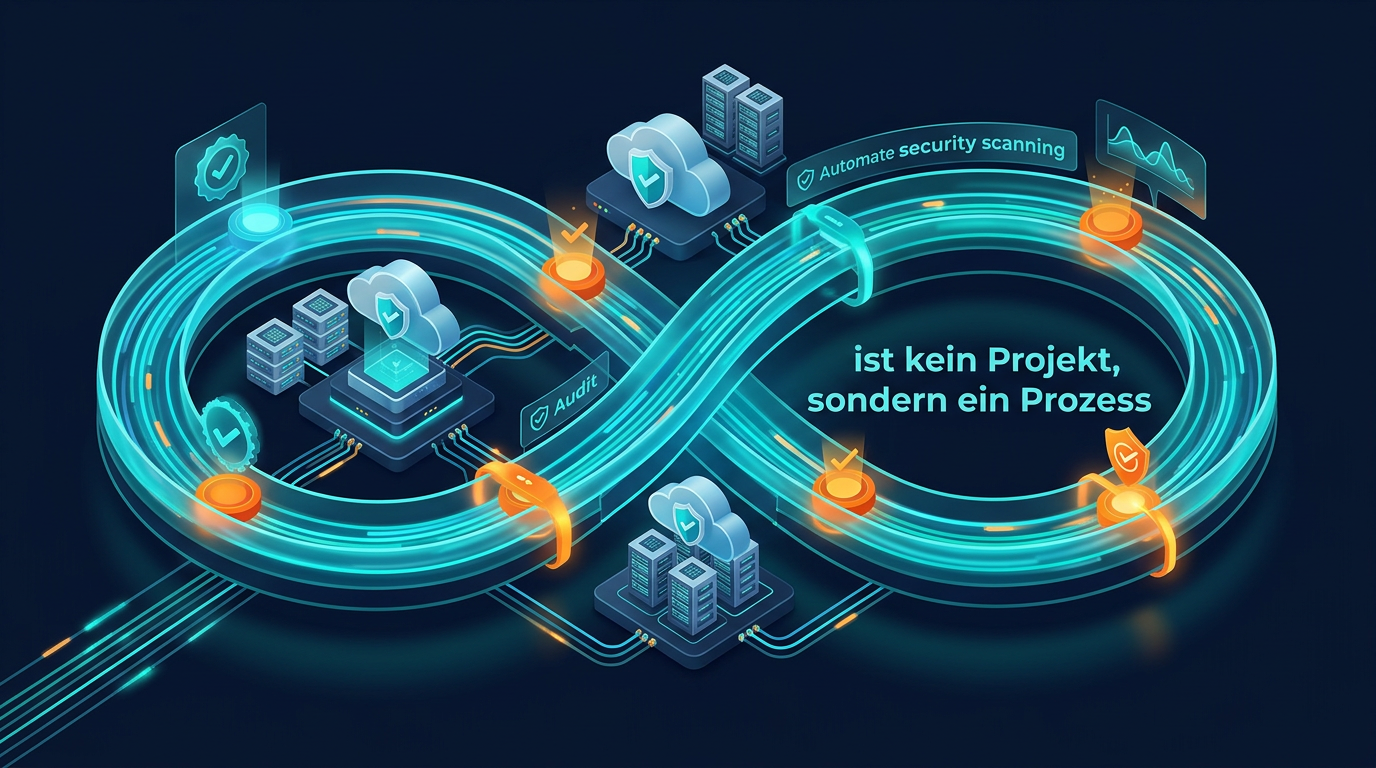
A project ends. Compliance never does.
The Shift to a Process: Continuous Compliance
To bridge this gap, compliance must evolve from an annual feat of strength into an invisible, continuous background process. This state is known as Continuous Compliance.
The goal of Continuous Compliance is to measure and close the discrepancy between the documented target state (the guidelines) and the operational actual state (the reality in the network) in real time. This is simply impossible to do manually. No human can monitor thousands of cloud instances and firewall rules around the clock.
The technological key is automation. An intelligent asset data platform like Qbilon is the engine that transforms the project into a process:
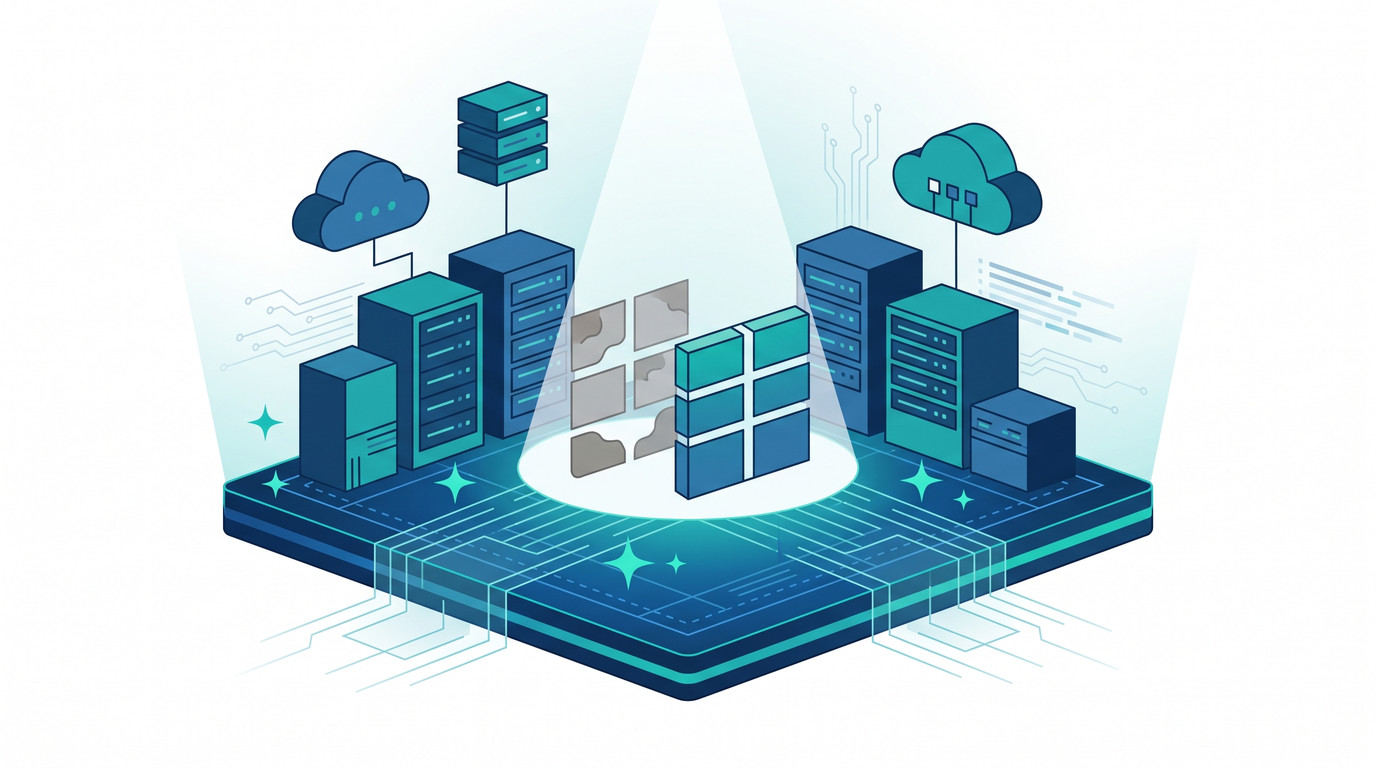
- The Living Foundation (Real-Time Discovery): The platform throws static Excel lists overboard. It connects via APIs to the nerve centers of your IT (hypervisors, cloud, identity management, security tools). The inventory updates itself every second. If marketing introduces a new SaaS tool (Shadow IT), Qbilon registers it immediately via connected login or firewall data.
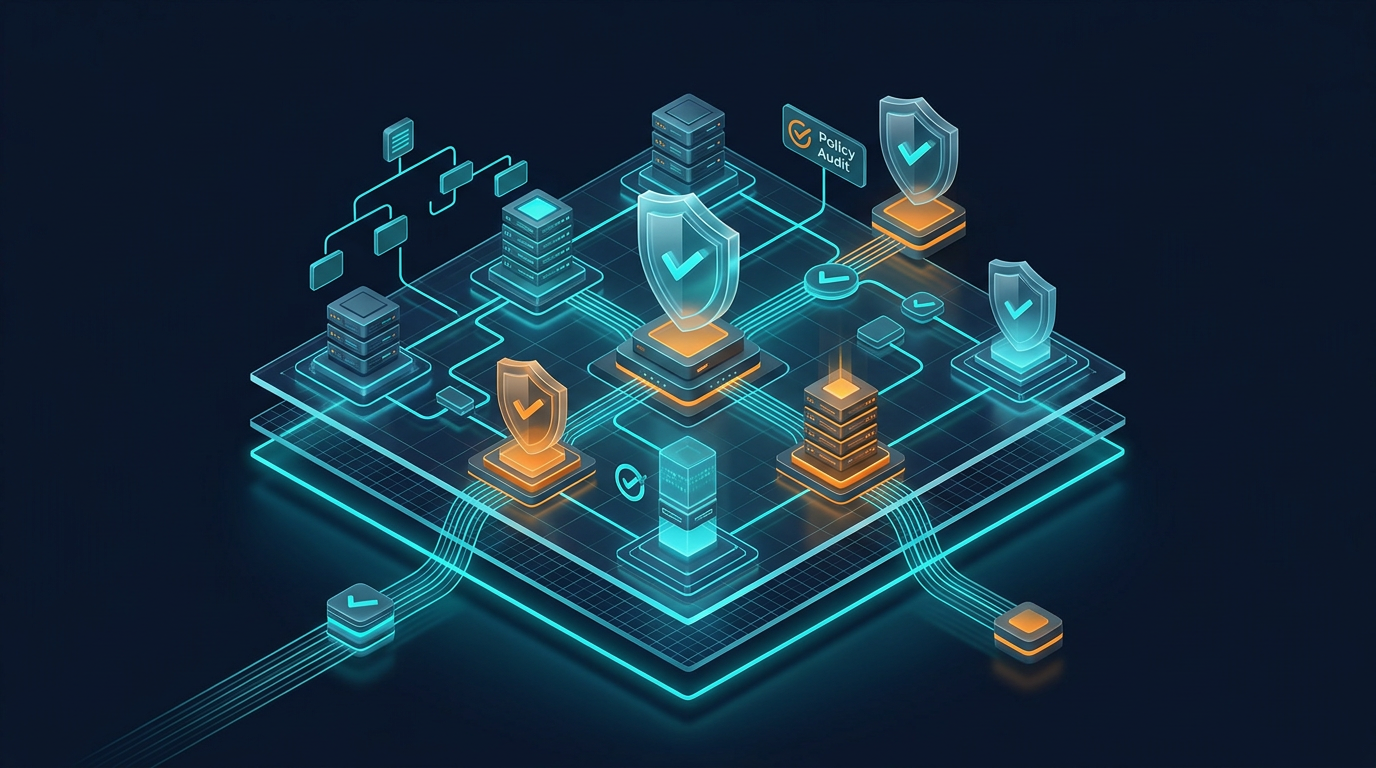
- Policy as Code (Automated Rule Checking): The Word documents painstakingly written during the project are translated into executable rules (Policy as Code) within the platform. The guideline: "All systems with customer data must be encrypted." The process: The platform checks this rule 24/7. As soon as a developer spins up a cloud storage instance without encryption, the platform triggers an alarm immediately (rather than waiting for the next audit). The risk is remediated in minutes, not months.
- Seamless Historization: Because the platform saves every state with a timestamp (the "Time Machine"), it automatically generates the audit evidence for the entire year. The auditor sees the incorruptible proof of a functioning process.
Conclusion: Live the Rules Instead of Just Writing Them Down
Compliance requirements like NIS-2 do not demand a piece of paper; they demand resilience. A checklist does not protect you from ransomware, but a functioning, monitored process does.
Stop pulling your IT experts away from their daily business once a year for "compliance projects." Invest that budget once in establishing an automated platform. When compliance with your security rules becomes a continuous, machine-monitored process, the fear of the next audit disappears – and your network reaches a level of security that could never be achieved through manual labor.