Review and Outlook: How Requirements for IT Databases Have Changed
CMDB 2026: From Dusty Archive to Cyber Defense Radar
If you ask an IT veteran to describe their associations with the term "Configuration Management Database" (CMDB), words like cumbersome, outdated, bureaucratic, or project graveyard are often mentioned. This bad reputation is no accident. For nearly two decades, IT documentation was a purely administrative exercise that often generated more frustration than real business value.
However, anyone who still holds this dusty image of an IT database in their head in 2026 is missing out on one of the most exciting technological transformations of our time. The requirements for knowledge about one's own infrastructure have changed so radically in recent years that modern asset databases share little more than the name with their predecessors from the 2010s.
In this post, we take a look in the rearview mirror to understand why old concepts failed and look forward to outline what an IT database must achieve today and in the future to survive in the age of cloud and cyber warfare.
The Retrospective: The Era of Static Tables
The classic CMDB originates from the world of ITIL (IT Infrastructure Library). In the late 90s and 2000s, IT consisted primarily of physical data centers (on-premise). Servers were ordered, delivered, screwed into a rack, and ran there for the next five to seven years.
In this slow-moving world, the goal of the CMDB was purely operational. People wanted to know which server the database was located on in case the hard drive crashed, and they wanted to be able to look up who the responsible administrator was in the event of a failure (Incident Management). This knowledge was mostly maintained manually. An administrator entered the IP address and serial number into a form.
Why this model failed
With the triumph of virtualization (VMware) and shortly thereafter the public cloud (AWS, Azure), dynamics exploded. Physical servers that lived for years turned into virtual machines and containers that often existed for only hours or minutes (Ephemeral IT). Manual maintenance collapsed under this weight. Databases became outdated so quickly that IT teams stopped trusting them. The CMDB degenerated into an expensive "write-only" database – data flowed in but was never used strategically again.
The Present: Automation and Compliance Pressure
The year is 2026. The primary driver for clean asset management is no longer just fast troubleshooting, but hard, existential regulatory pressure.
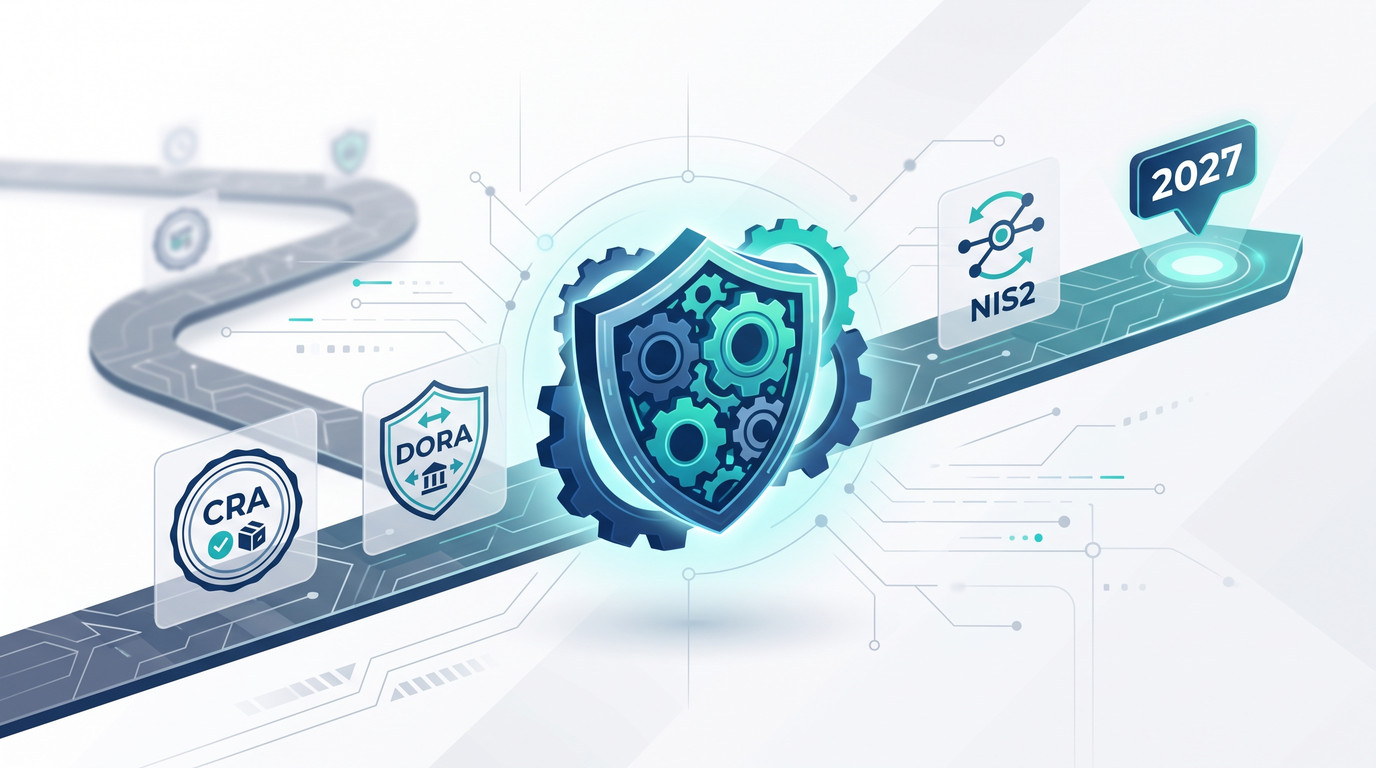
Directives such as NIS-2 in the EU or industry-specific standards like TISAX in the automotive sector force companies to prove absolute control over their data and systems (risk management, reporting obligations, asset management). The requirements for the IT database have shifted massively:
- Full API Integration: Manual entries are an absolute taboo today. A modern IT database must connect agentlessly via interfaces (APIs) to cloud providers, identity management systems (Active Directory), and network scanners. It aggregates and normalizes data fully automatically in real-time.
- IT Memory (Historization): As we have often emphasized in recent months, the current daily status is no longer sufficient. Auditors demand continuous compliance. The modern database no longer overwrites data; it maintains an immutable logbook (a "Time Machine"). It can prove how the network was configured six months ago.
- Breaking Down Silos: The database is no longer the exclusive tool of IT operations. It is the "Single Source of Truth" accessed equally by the security team, Enterprise Architecture Management (EAM), and the finance department (FinOps) to make consistent business decisions.
The Outlook: From Administration to Proactive Security
Looking into the near future, the next gigantic evolutionary step is already at the doorstep. The IT database is transforming from a managing (compliance) system into a defending (security) system.
As hybrid networks become increasingly complex and cybercriminal attack vectors more sophisticated, Attack Surface Management is moving into absolute focus.
The database of the future no longer just asks: "What do we have?" It asks: "Where are we currently vulnerable? Which cloud server is misconfigured and accessible from the internet? Which laptops are missing the antivirus agent? Which software has a vulnerability and endangers our customer data?"
A platform like Qbilon represents exactly this evolution. After helping our customers organize the chaos and master the strict audit requirements of NIS-2 through historized, automatically generated evidence, we are now laying the foundation for the next step: using this perfect data basis for Cyber Asset Attack Surface Management (CAASM).
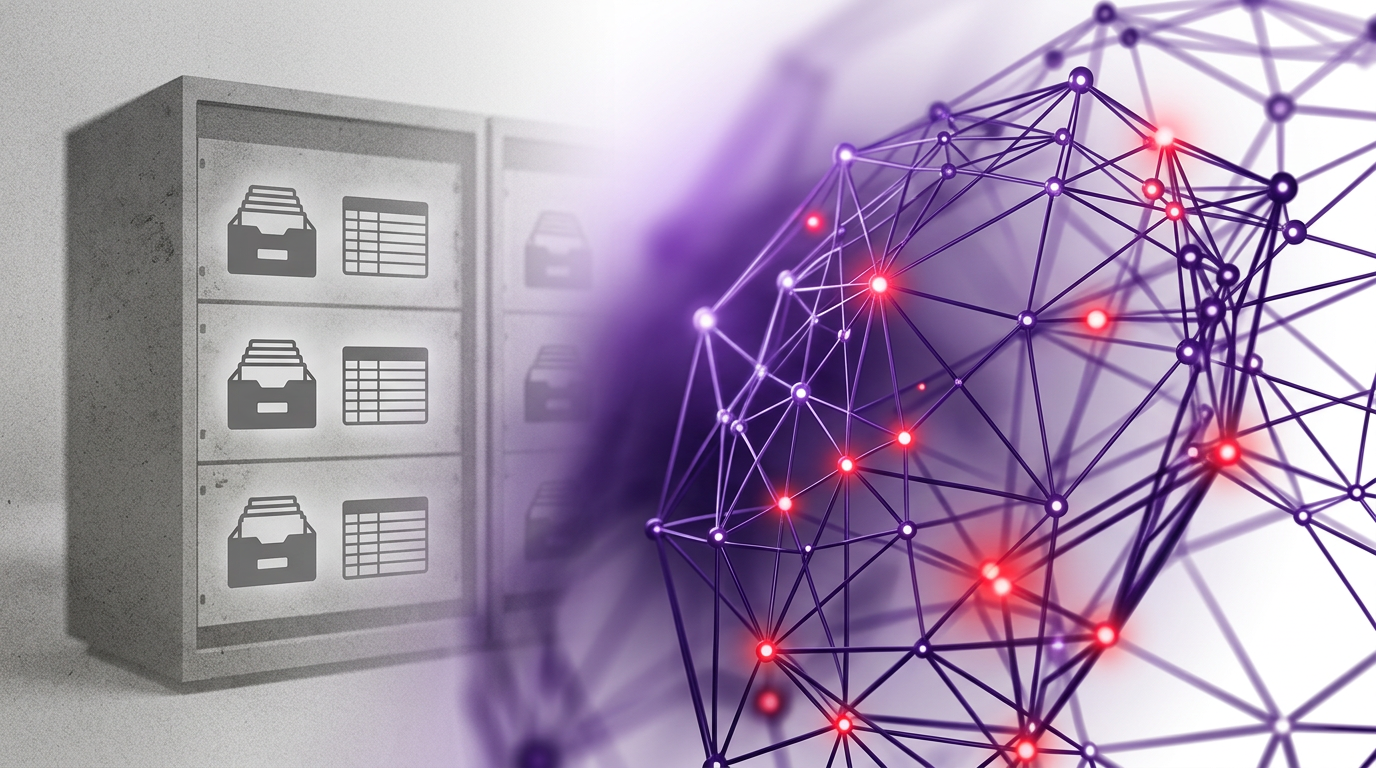
Yesterday's IT database was a dusty archive. Tomorrow's IT database is your radar in cyber warfare.