Asset Management for CISOs: Do You Really Know Your Entire Network?
CISO Foundation: Why Gapless Asset Management is the Most Important Security Weapon
The role of the Chief Information Security Officer (CISO) has undergone a remarkable metamorphosis over the last decade. From a highly specialized "Chief Firewall Administrator" in the background, the CISO has evolved into a strategic board advisor (C-level). They manage multi-million dollar budgets, speak with regulators about NIS-2, and are responsible for the existential risk management of the entire company.
Yet, despite state-of-the-art dashboards, AI-powered threat detection, and armies of security analysts, a shockingly high number of CISOs suffer from a chronic, gnawing uncertainty. This uncertainty usually manifests at night or during crisis meetings and can be summarized in a single, brutal question: "Do we actually know our entire network?"
In this post, we address security leaders directly and highlight why automated, gapless IT Asset Management (ITAM) is not the task of IT administration, but the absolute, non-negotiable foundation of cybersecurity and thus the CISO's most important weapon.
The Illusion of Control
Many CISOs invest heavily in behavior-based network analysis (NDR), in Endpoint Detection and Response (EDR) for servers and laptops, and in highly complex Security Information and Event Management (SIEM) systems. They are building a fortress.
The problem is: this fortress only protects the things the security team knows exist. The illusion of control collapses the moment a hacker finds the blind spot.
The reality in hybrid corporate networks (without automated asset management) often looks like this:
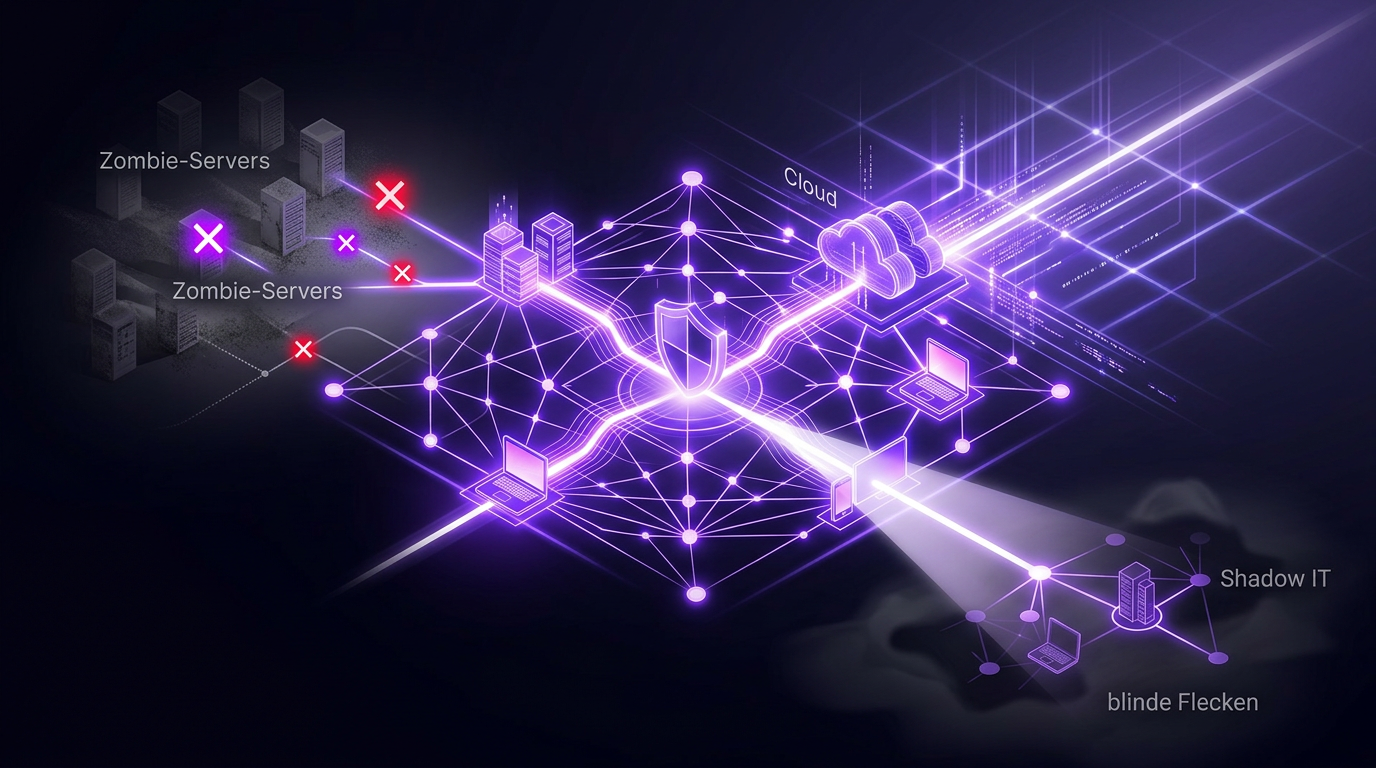
- Shadow Cloud: A development department uses its own AWS environment, which completely bypasses the central Identity Access Management (Active Directory) and security policies.
- Orphaned Assets (Zombie Servers): Hundreds of orphaned virtual machines (VMs) are idling in Azure. They are no longer being patched, password management is outdated, but they are still deeply embedded in the company network.
- The External Attack Surface: The marketing team independently commissioned an external web agency for a campaign to host a landing page (including a database for customer data). A DNS entry points to the company domain. The SOC (Security Operations Center) has never seen this site.
For an attacker, these blind spots are an open door. If this leads to a data breach, the argument "We were not aware of this system" is not an excuse before the board of directors or data protection authorities, but proof of a flagrant leadership failure.
Why CISOs Must Take Charge of Asset Management
Historically, IT Asset Management was dismissed as the "bean counter" task of IT Operations (ITOM) or the finance department (FinOps for license optimization). The CISO consumed this data, at best, when needed for ISO 27001 audits.
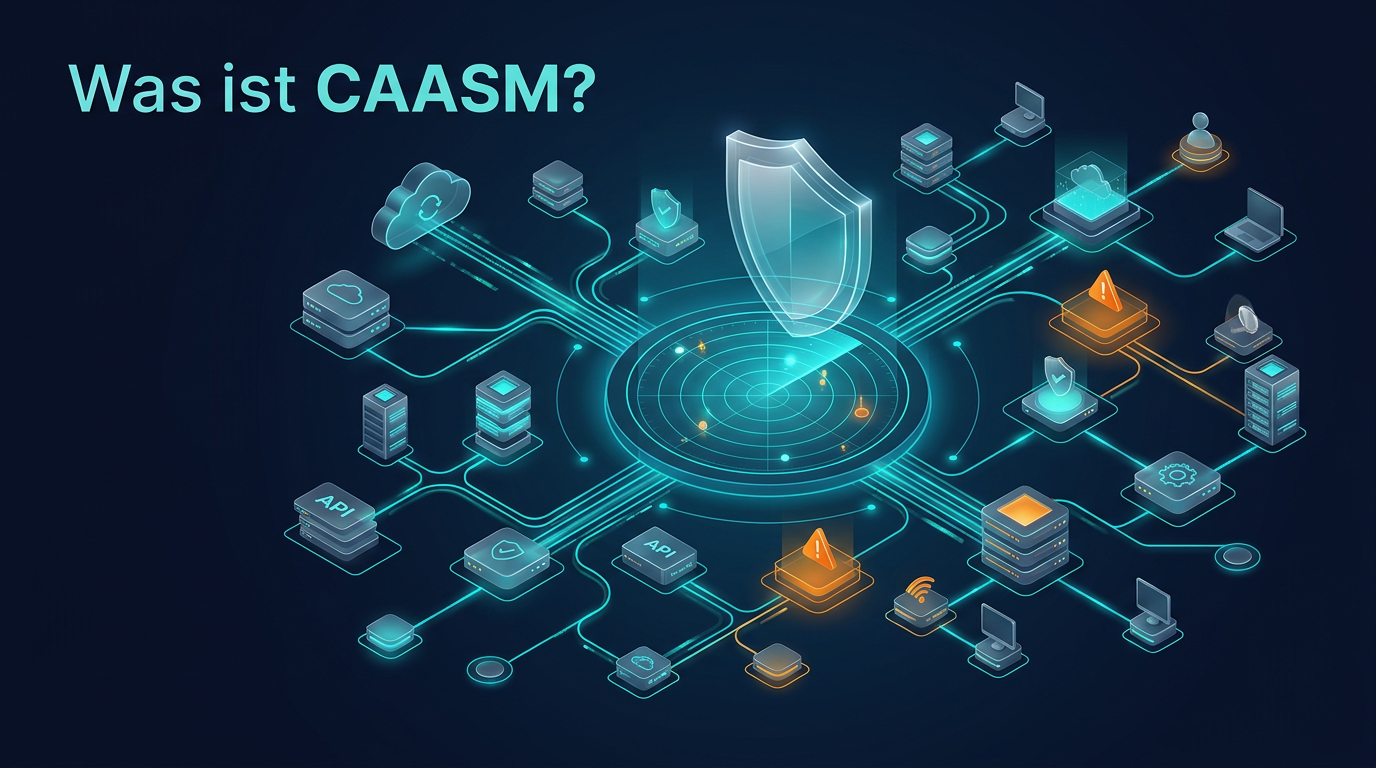
In 2026, this is grossly negligent. The CISO must have a massive vested interest in the automation and professionalization of asset management. It is the basis for what is known as Cyber Asset Attack Surface Management (CAASM), the next logical step in IT security.
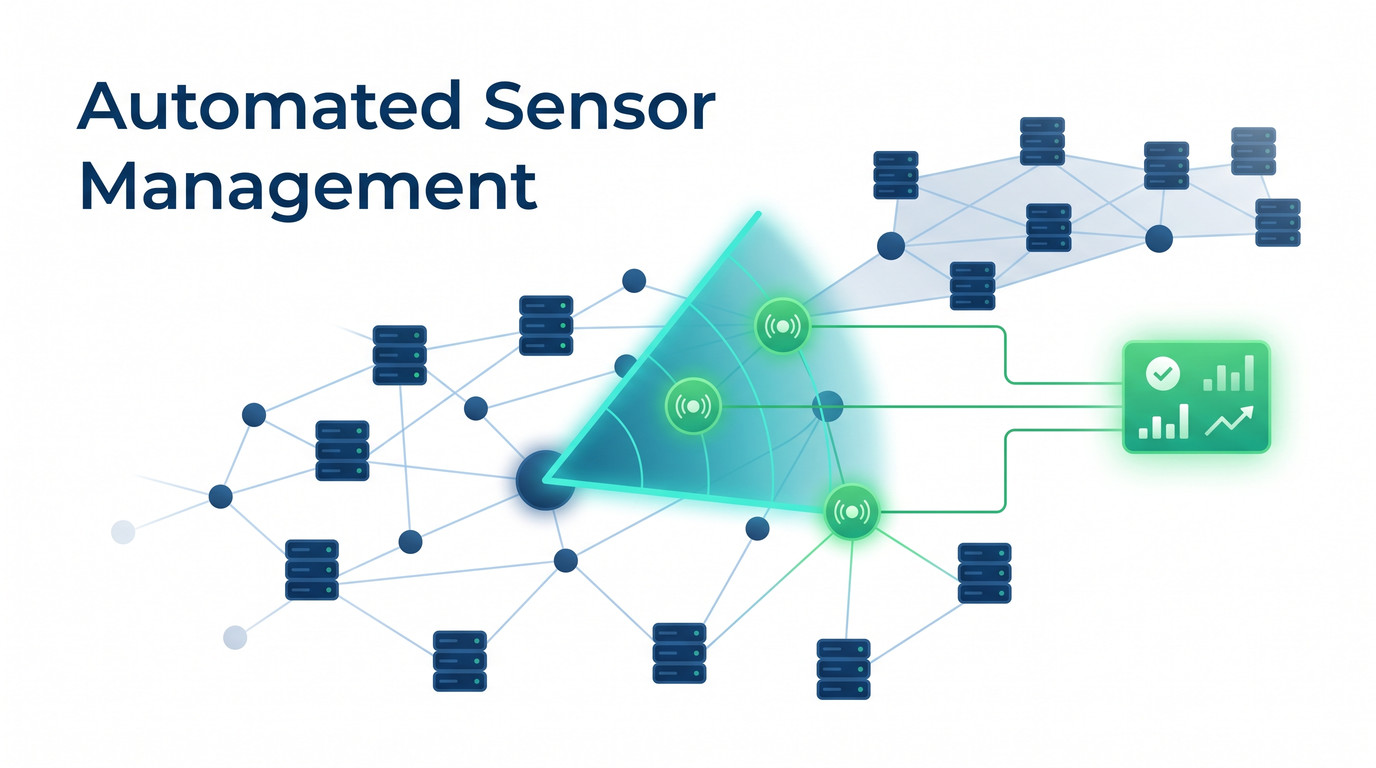
- Attack Surface Reduction: A CISO using an automated platform like Qbilon no longer needs to ask department heads which software they are using. The platform connects via APIs to cloud providers, hypervisors, and security tools and correlates the data. The CISO immediately sees discrepancies on a dashboard: "Why does AWS report 500 running instances, but our EDR tool only shows 450 protected endpoints?" The 50 blind spots are identified and can be immediately integrated into the security architecture.
- Risk-Based Prioritization: As discussed in earlier posts, security teams are drowning in vulnerabilities (Alert Fatigue). The CISO can only direct their team efficiently if they know the "business context" of every asset. Only an intelligent CMDB provides the insight that a vulnerability on Server A (internet-facing, customer data) must be patched immediately, while Server B (isolated, test data) can wait until the weekend.
- Sovereignty in Incident Response: When a ransomware alert goes off in the network at 3:00 AM, the CISO doesn't have time to parse Excel lists. They need a historized database ("Time Machine"). They must see immediately: Who owns the infected machine? Which databases has it communicated with in the last 48 hours? Which firewall rules apply to it? This speed saves companies.
Conclusion: Back to Basics
The CISO's job is hard enough. They are confronted daily with new, sophisticated attack methods and must navigate their company through a jungle of compliance requirements (NIS-2, CRA, DORA).
But before you invest million-dollar budgets in the next AI-powered defense hype, you should conduct an honest assessment. Invest in the foundation. A gapless, automated, and historized knowledge of every server, every cloud service, and every network segment is the most reliable shield you can build as a CISO. Stop the guesswork. Make asset management the sharpest weapon in your security arsenal.