The Bridge Between IT Operations and Cybersecurity
Reconciling IT Operations and Security: Why a Common Data Foundation Determines Resilience
In almost every mid-sized or large company, an invisible but very real front line exists. On one side of this line stands IT Operations (ITOM) – the system administrators, network engineers, and cloud architects. Their supreme maxim is stability. They are measured by "uptime." Their unofficial mantra is: "Never touch a running system."
On the other side stands the Cybersecurity team (SecOps). Their supreme maxim is risk minimization. They hunt for vulnerabilities, monitor anomalies, and analyze threats. Their unofficial mantra is: "Patch it now, or we get hacked."
These two fundamentally different philosophies clash daily. The security team scans the network, finds a critical vulnerability in the central database server, and demands an immediate reboot to install the patch. IT Operations blocks it because a reboot would paralyze the ERP system for an hour and drive logistics into madness. The result is endless ticket ping-pong, heated meetings, and a lot of frustration.
In this post, we explore why this conflict is dangerous, how it ultimately plays into the hands of attackers, and how a shared, data-driven "Single Source of Truth" transforms these two opposing camps into a powerful, unified force.
The Problem of Fragmented Reality
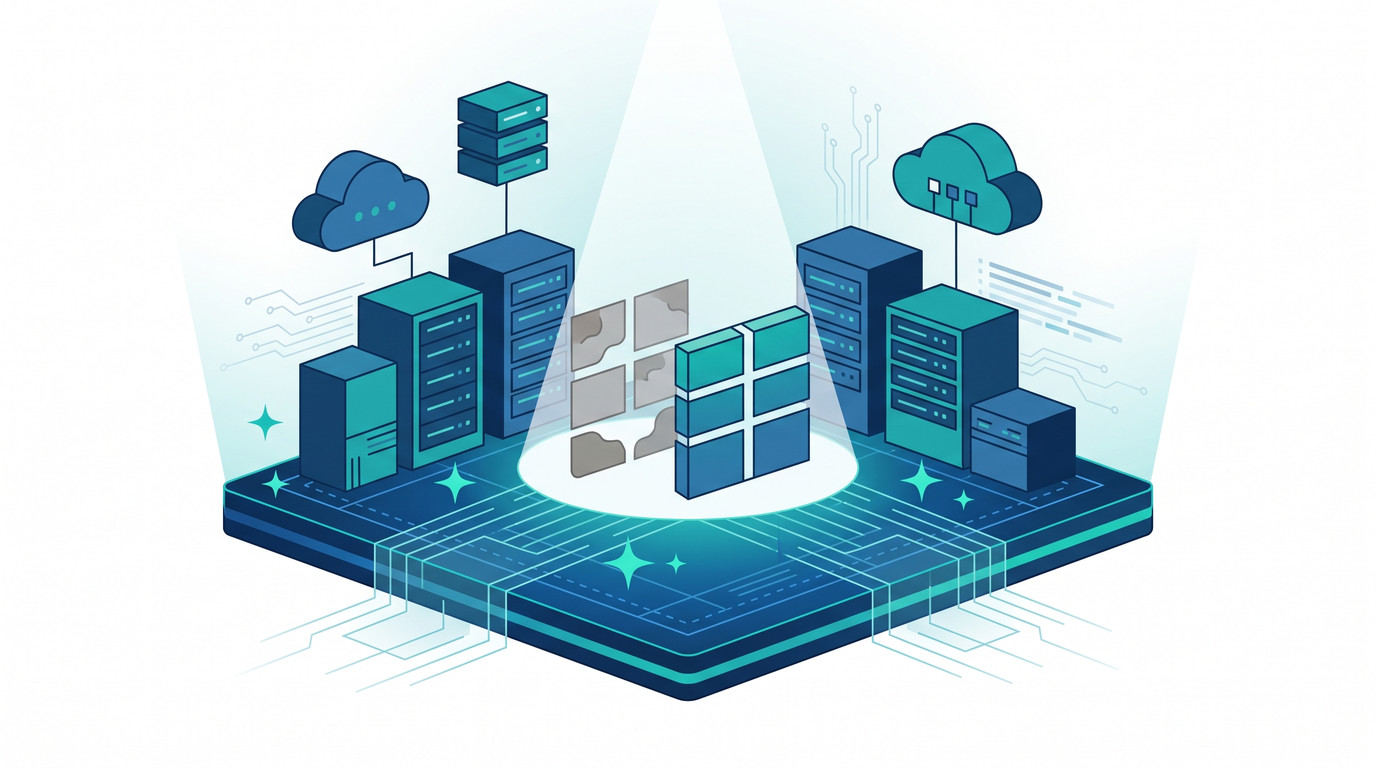
The core of the conflict between ITOM and SecOps rarely lies in bad intentions or professional incompetence. The conflict arises because both teams look at completely different data foundations. They view the same IT landscape through two entirely different lenses.
- The SecOps Lens: The security team looks at dashboards from vulnerability scanners (e.g., Nessus, Qualys) and EDR systems. They see a list of IP addresses and CVSS scores (severity levels). However, they lack business context. They don't know that the server at IP 10.0.5.55 controls the highly sensitive payroll run at the end of the month.
- The ITOM Lens: The administrators look into network monitoring and their manually maintained CMDBs. They know the dependencies and the pain of downtime. But they don't see the immediate danger posed by the new ransomware group currently active on the dark web, searching specifically for the vulnerability that exists on that server.
When two teams argue based on different truths, the department that screams the loudest or has the most direct line to the CIO usually wins. Meanwhile, the risk to the company remains unresolved.
The "Single Source of Truth" as a Mediator
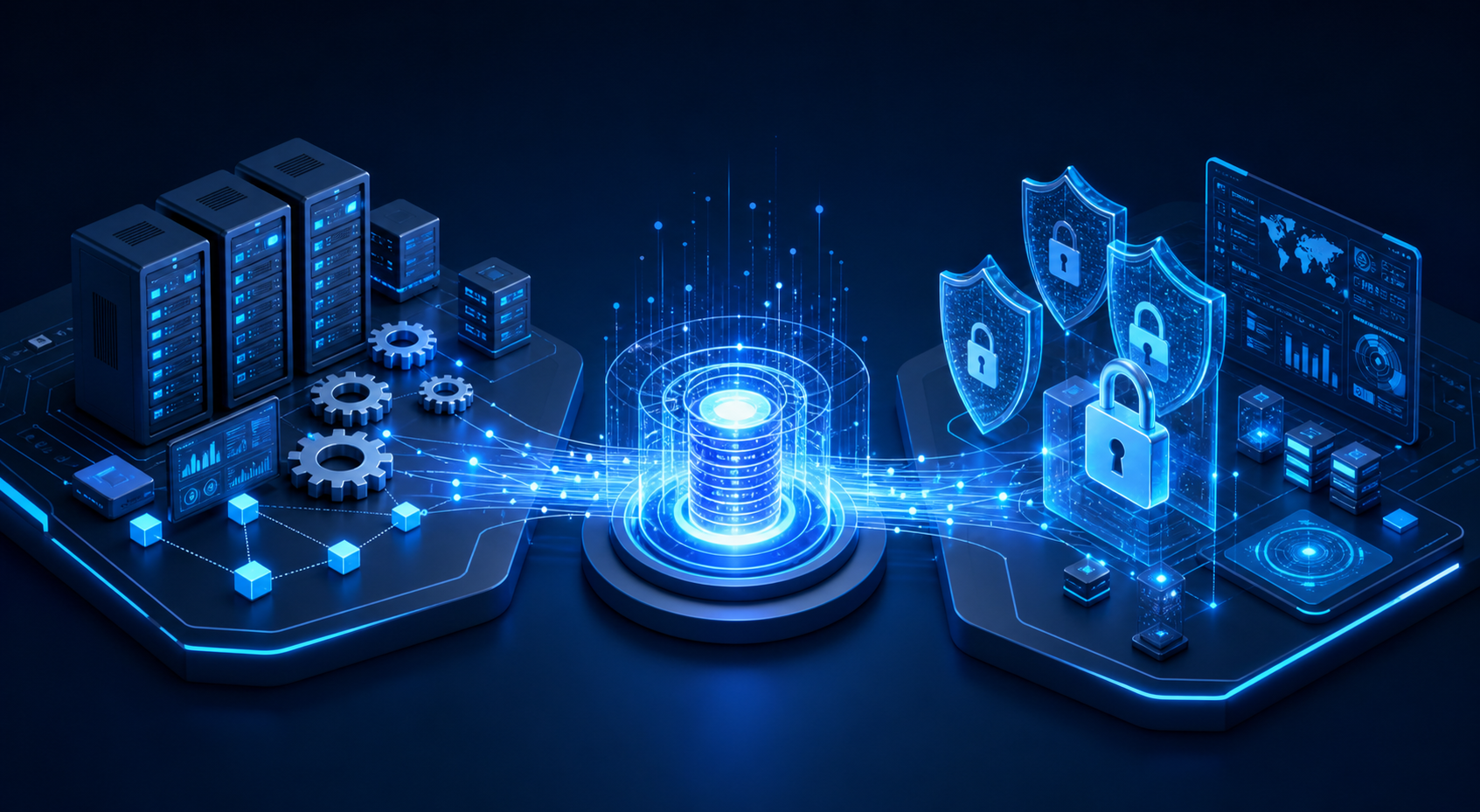
To resolve this cultural and process conflict, we must merge these fragmented realities. Companies must stop operating tools in isolated silos.
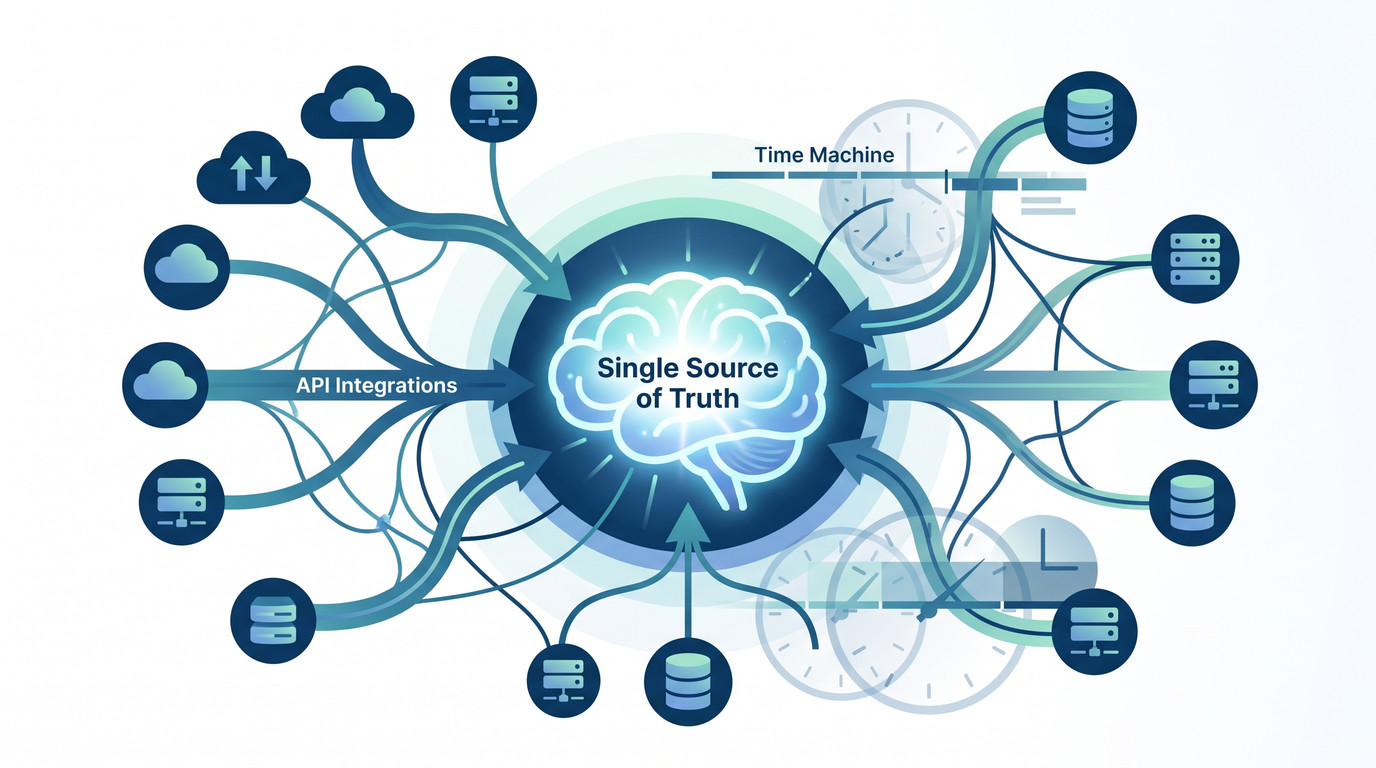
This is where the magic of an automated IT Asset Management platform (like Qbilon) comes into play. It doesn't function as just another tool for one team, but as the neutral, overarching meta-level – the "Single Source of Truth" (SSOT) – for both teams.
How the Platform Transforms Collaboration
- Context-Based Discussions (Risk-Based Decision Making): When the security team finds a vulnerability, they no longer blindly throw an IP address over the fence to IT. SecOps analysts look into the central CMDB and immediately see the architecture mapping maintained by ITOM. The discussion changes fundamentally: "Hey Ops, we found a critical vulnerability on the logistics database. We see in the system that three warehouse locations depend on it. We've prioritized this gap as extremely high-risk because the server has internet access. Can we get a maintenance window on Friday at 10:00 PM? Until then, a temporary WAF rule will be in place." This is no longer an escalation; it is professional, risk-based management.
- Transparency in Root Cause Analysis (Troubleshooting): When IT Operations investigates an outage at 3:00 AM, the CMDB's "Time Machine" function is worth its weight in gold. They immediately see in the historical diff comparison if the outage was caused by a firewall change made by the security team the evening before. The hours-long "Who did this?" in the shared Slack channel is eliminated. Troubleshooting (MTTR) is significantly accelerated.
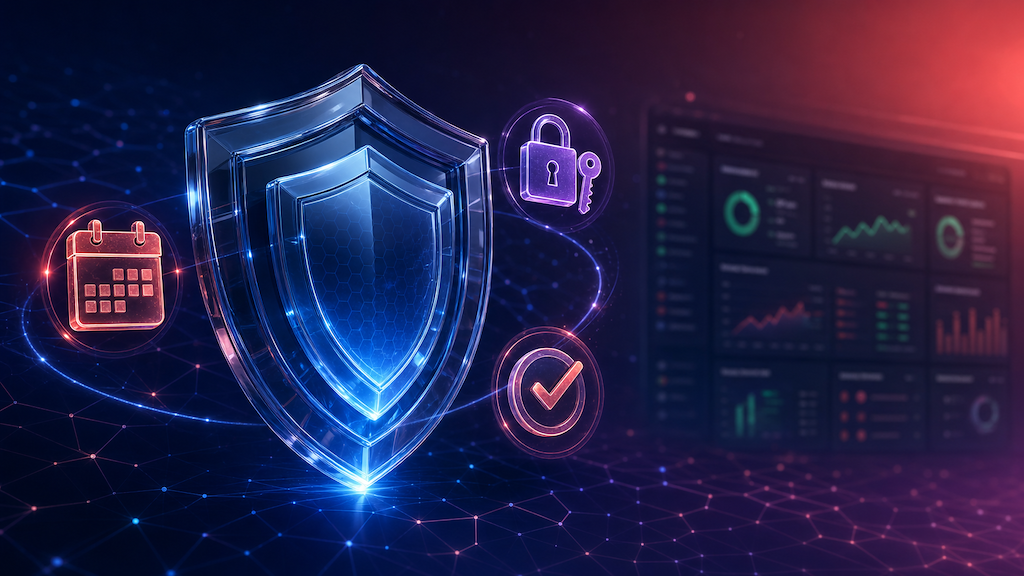
- Common Compliance (NIS-2 and ISO 27001): Audits like NIS-2 require both clean IT management and rigorous security processes. When both teams work on the same automated data foundation, generating evidence is no longer a war between departments. The report for the auditor proves that the system exists (ITOM) and that it is securely configured (SecOps).
Conclusion: Security as a Team Sport
In the modern world, cybersecurity has become far too complex to be the sole responsibility of an isolated "task force." Real resilience only emerges when IT operations and IT security work closely together on equal footing.
The prerequisite for this collaboration is trust. And in IT, trust is built through reliable, up-to-date, and context-rich data. By breaking down the silos between ITOM and SecOps and establishing an automated "Single Source of Truth" for your entire asset landscape, you end the endless ticket war. You empower your administrators to build secure systems and your security experts to understand real business risks. Two opposing camps thus become the strongest line of defense a company can field.