The Cyber Resilience Act (CRA) is Casting its Shadow: What IT Operators Need to Know Now
Anyone who thought that things would quiet down in the field of IT regulation after the intensive work on the NIS-2 directive has underestimated the legislators in Brussels. While NIS-2 focused on the operators of critical and important infrastructure, the Cyber Resilience Act (CRA) is already rolling in as the next, even more far-reaching wave of regulation.
The CRA targets the foundation of our digital world: the products themselves. In the future, hardware and software with digital elements may only be sold in the EU if they meet strict, legally anchored cybersecurity requirements – the much-cited "Security by Design."
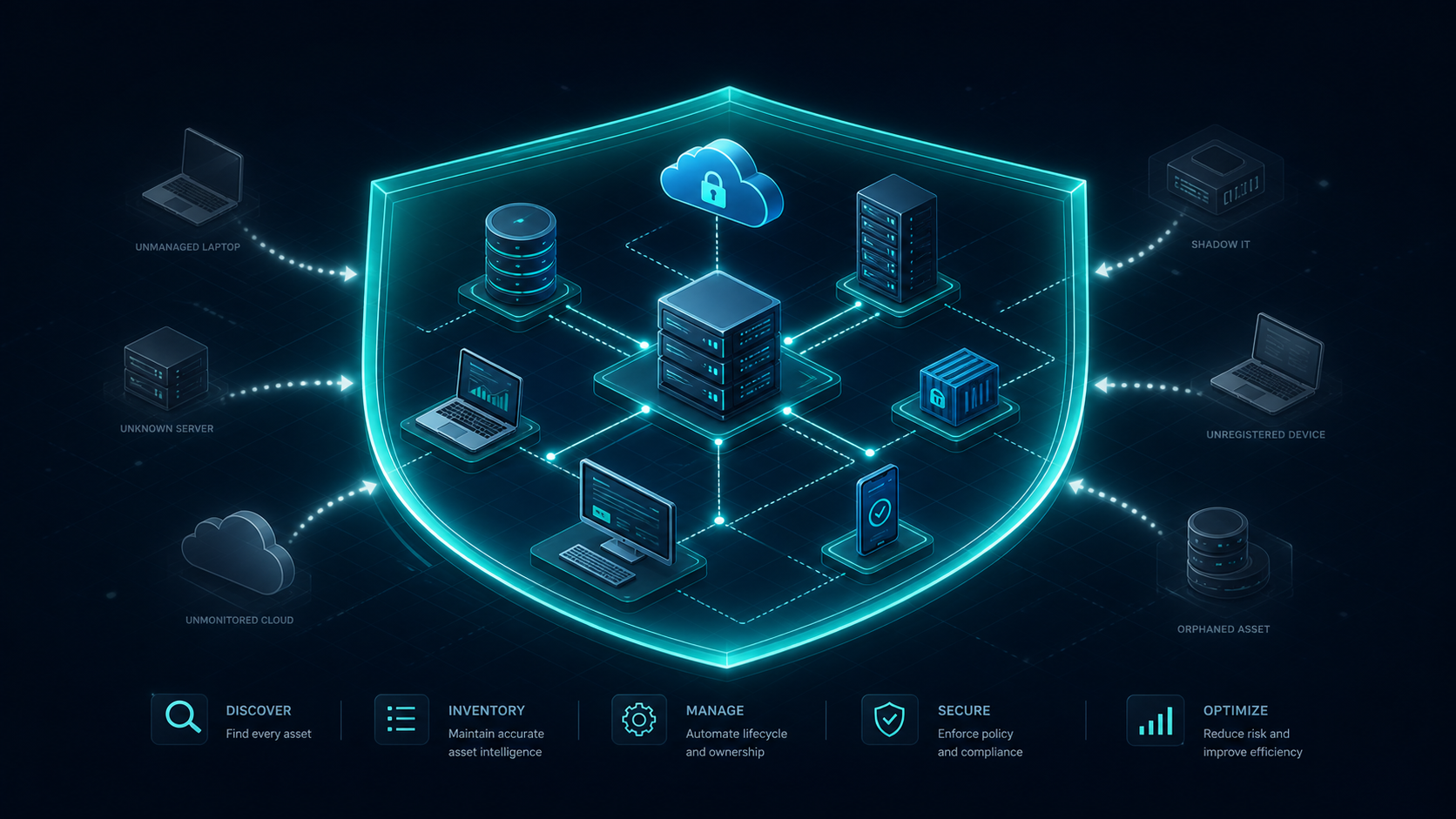
But what does a law that is primarily aimed at manufacturers mean for you as an IT operator, CIO, or CISO? A great deal. In this post, we shed light on why the CRA is also a massive game changer for the user side and why you will be overwhelmed by this regulation without automated, seamless IT Asset Management.
The Core Idea of the Cyber Resilience Act
Until now, the software and hardware market often resembled a Wild West. Manufacturers could bring products with vulnerabilities to market, and the responsibility (and liability) for securing them lay almost exclusively with the end customer – in other words, your IT department.
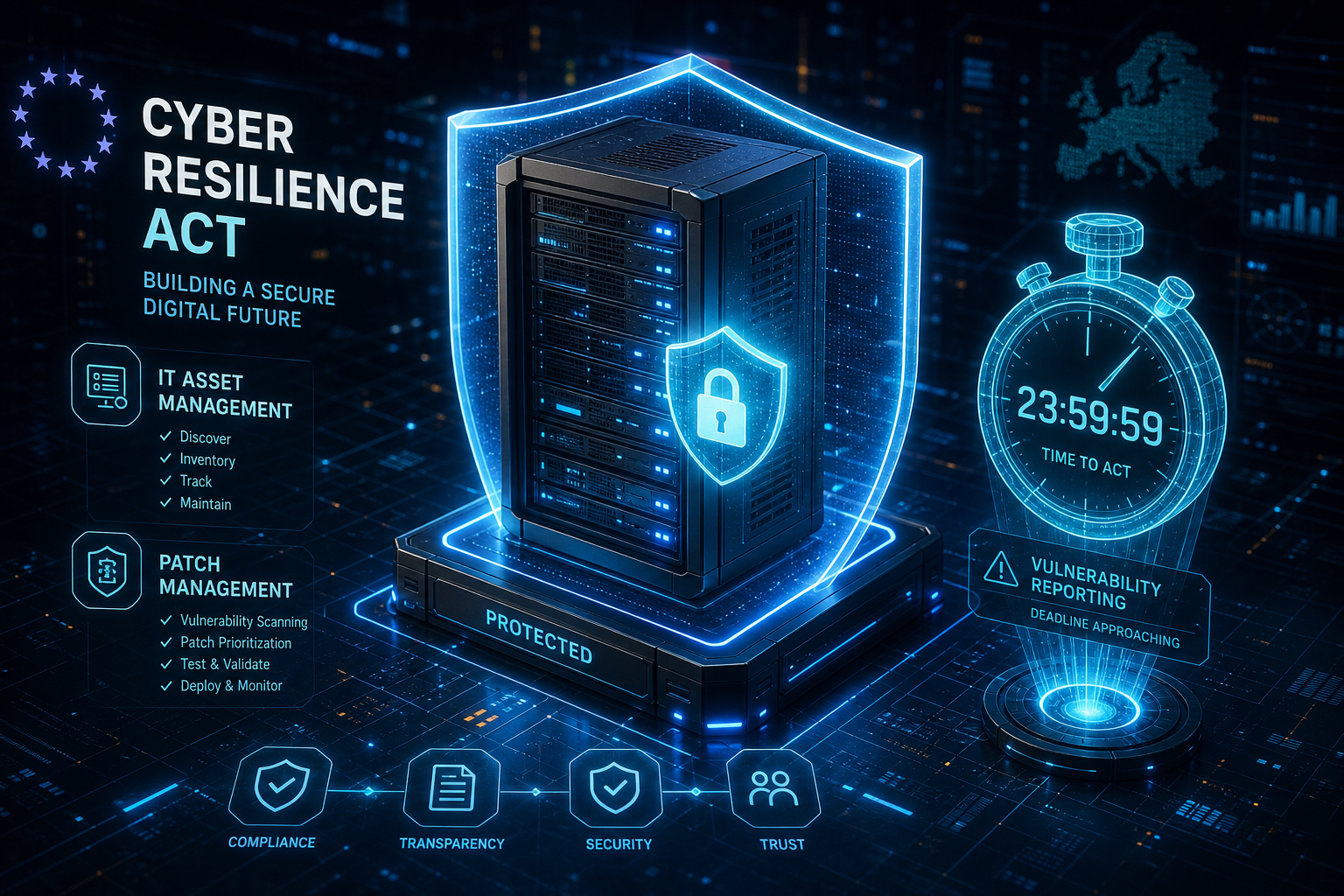
The CRA turns the tables. It defines mandatory cybersecurity requirements for the entire lifecycle of a product (from development to end-of-life). Manufacturers must actively fix vulnerabilities, provide free security updates over a defined period (usually at least five years or the expected product lifetime), and report security incidents within 24 hours. Products that meet this standard receive the CE mark. As of December 11, 2027, products without this mark may no longer be placed on the market in the EU. The first reporting obligations for manufacturers will take effect earlier: starting September 11, 2026.
Why the CRA Massively Affects IT Operators
If you don't manufacture software, you might think you can sit back and relax. But this reflex is dangerous. The CRA will profoundly change the way you plan, purchase, and operate IT architecture:
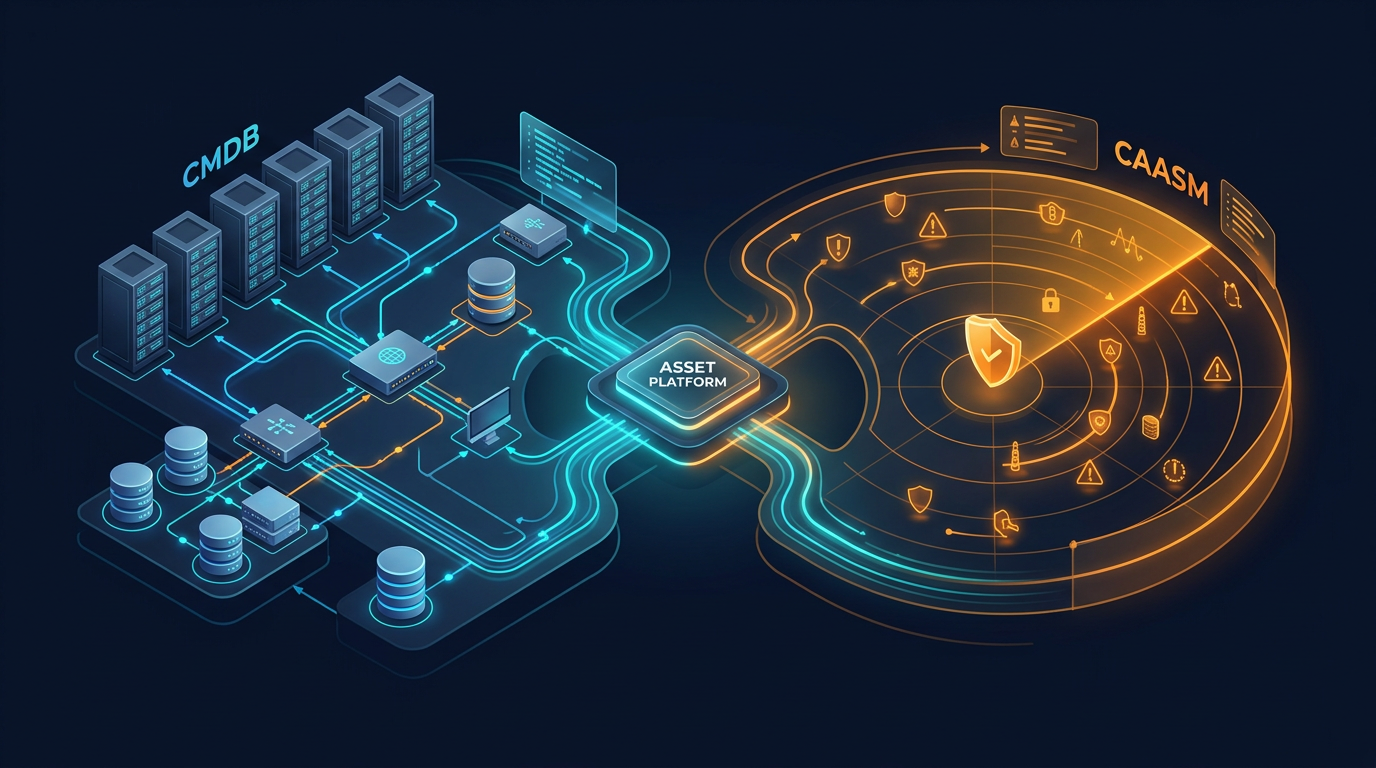
- Management of End-of-Life (EOL): The CRA forces manufacturers to define clear periods for support (updates). For your IT department, this means you must know exactly when each product in your network reaches its end-of-life status. If you continue to operate a device after this deadline, you are knowingly operating an unprotected component. If your IT documentation (CMDB) is not currently capable of automatically monitoring the lifecycle of every single software and hardware component, you are sitting on a ticking time bomb.
Supply Chain Security
NIS-2 already requires you to secure your supply chain. The CRA will provide you with the tools to do so in the future (such as the Software Bill of Materials, which we will discuss in detail in the next post). But you must be able to use these tools. You need to know: Which software from which manufacturer is running on which server? Is there still a valid CE mark for this product? If a manufacturer stops support due to insolvency, you must be able to immediately identify all affected assets in your network.
Radical Transparency in Vulnerabilities
Since manufacturers are forced by the CRA to make vulnerabilities transparent immediately, the number of publicly known security gaps (CVEs) will paradoxically increase massively in the coming years. Your Vulnerability Management will be flooded with alerts. To avoid drowning in this flood, you need business-critical context: Is the affected software even in use in our company? Is it running on a system with internet access or deeply isolated in the internal network?
The IT Inventory as a Bridge Between Law and Practice
The Cyber Resilience Act will lead to a significant increase in the quality of IT products. However, you can only realize this gain in security if you have your own infrastructure under control.
A manufacturer can release a critical patch for its router as quickly as possible – but if you don't know that (and where) this router is located in one of your branch offices, your network remains vulnerable. The bridge between the secure products of the manufacturers and the security of your company is IT Asset Management.
An automated platform like Qbilon takes this burden off your shoulders. It not only recognizes which devices and software versions are in use, but it also enriches this raw data with the decisive context. When a product reaches the end of its support lifecycle (EOL), the platform warns you proactively. In this way, you transform the strict requirements of the CRA from a bureaucratic challenge into a real, measurable security advantage for your company.