
IT Assets in Transition – How to Capture Dynamic Cloud Resources Historically Correct
The migration to the Cloud has revolutionized the way companies operate IT. Instead of waiting months for the delivery of physical servers, developers today provision complex infrastructures at Amazon Web Services (AWS), Microsoft Azure, or Google Cloud in minutes via code (Infrastructure as Code). This agility is the engine of digital transformation – but it is simultaneously the absolute nightmare for traditional IT Asset Management (ITAM) and security teams. We are in the era of "Ephemeral IT" (fleeting IT). Virtual machines (VMs), containers (such as Kubernetes pods), and serverless functions often exist for only fractions of days. In this post, we shed light on why the fleeting nature of the Cloud brings classic IT documentation to its knees and how a modern platform not only captures these dynamic resources but makes them usable for security and FinOps in a historically correct manner.
The Problem: The Life of a Container in Time-Lapse
To grasp the magnitude of the problem, we must look at the lifecycle of a modern Cloud asset. An online shop starts a major discount campaign on a Friday evening. At 6:00 PM, traffic skyrockets. The auto-scaling system of AWS reacts immediately and spins up 50 new web server containers within ten minutes. At 11:00 PM, traffic levels off, and the 50 containers are automatically deleted (terminated). These assets existed for exactly five hours. They processed data, they had IP addresses, and they were exposed to potential cyberattacks.
- If the company's IT Asset Management is set up such that it performs a scan once a week or even once a night (as is common with many classic CMDBs), these 50 containers simply do not exist for the database. They were born and died between two scan intervals. There is no data record, no audit trail, and no history.
The Grave Consequences of Invisibility
Missing these fleeting assets has far-reaching consequences for various IT disciplines:
- Incident Response and Forensics (Security): Suppose that during the five hours of existence, one of these containers had a critical security vulnerability and was compromised by an attacker. The attacker inserted a backdoor into a connected database. Two weeks later, the security team discovers the backdoor. When searching for the entry point (Root Cause Analysis), the team looks into the CMDB – and finds nothing. Since the compromised container was never recorded, the forensic investigation hits a dead end.
- The FinOps Cost Trap: Cloud resources cost money per minute. When the bill from Azure or AWS arrives at the end of the month and blows the IT budget, the CFO naturally asks: "Who consumed these resources and for what?" Without a seamless, historical recording of fleeting assets, this question cannot be answered (Cloud Cost Allocation). The costs cannot be assigned to any project or department.
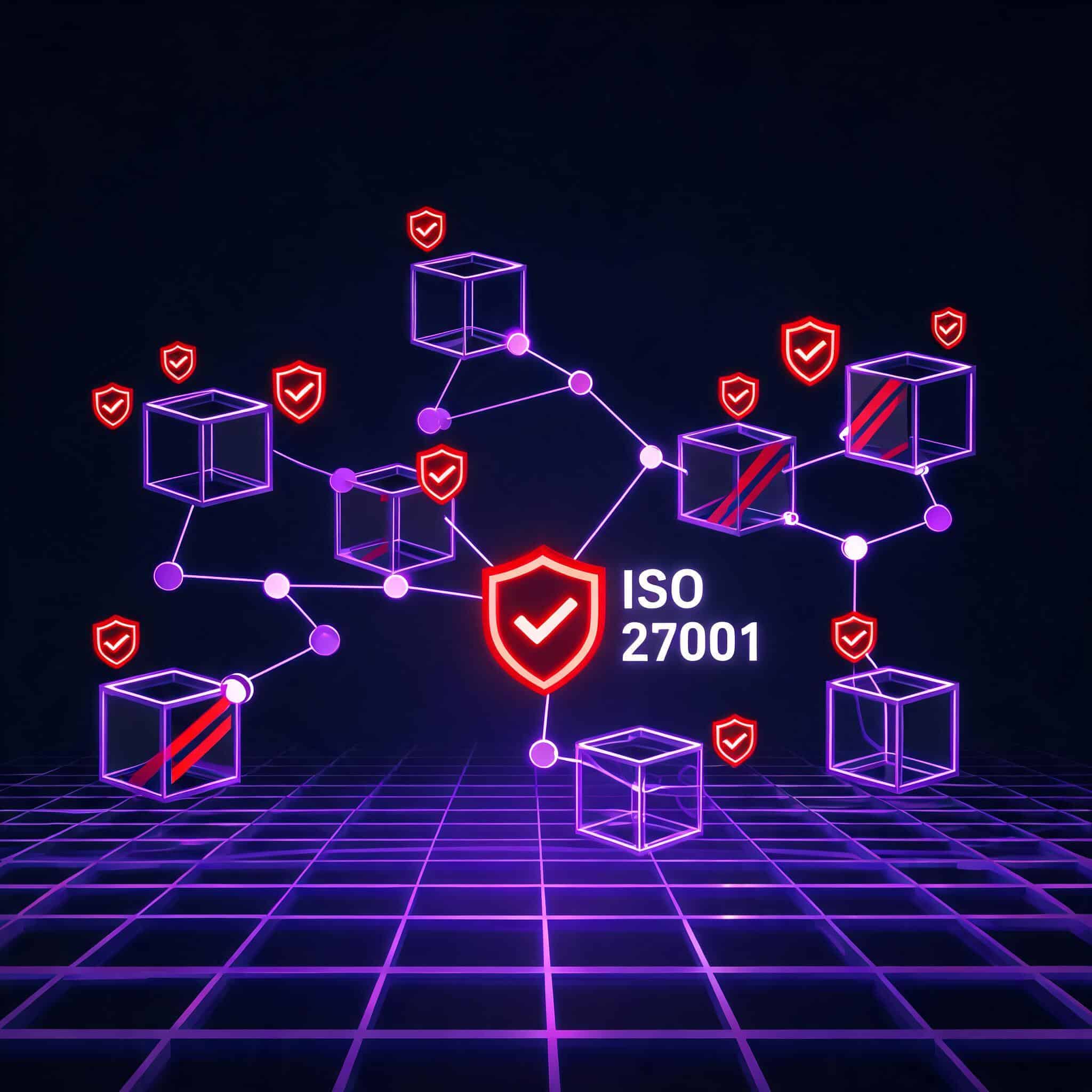
- Compliance Violations (NIS-2 and ISO 27001): As we know, auditors demand proof of all systems. Anyone who has to explain to the auditor that their IT documentation is blind to scaling effects in the Cloud has a serious problem. From an audit perspective, an incomplete history is synonymous with a loss of control.
The Solution: Event-Based, Historicized Tracking
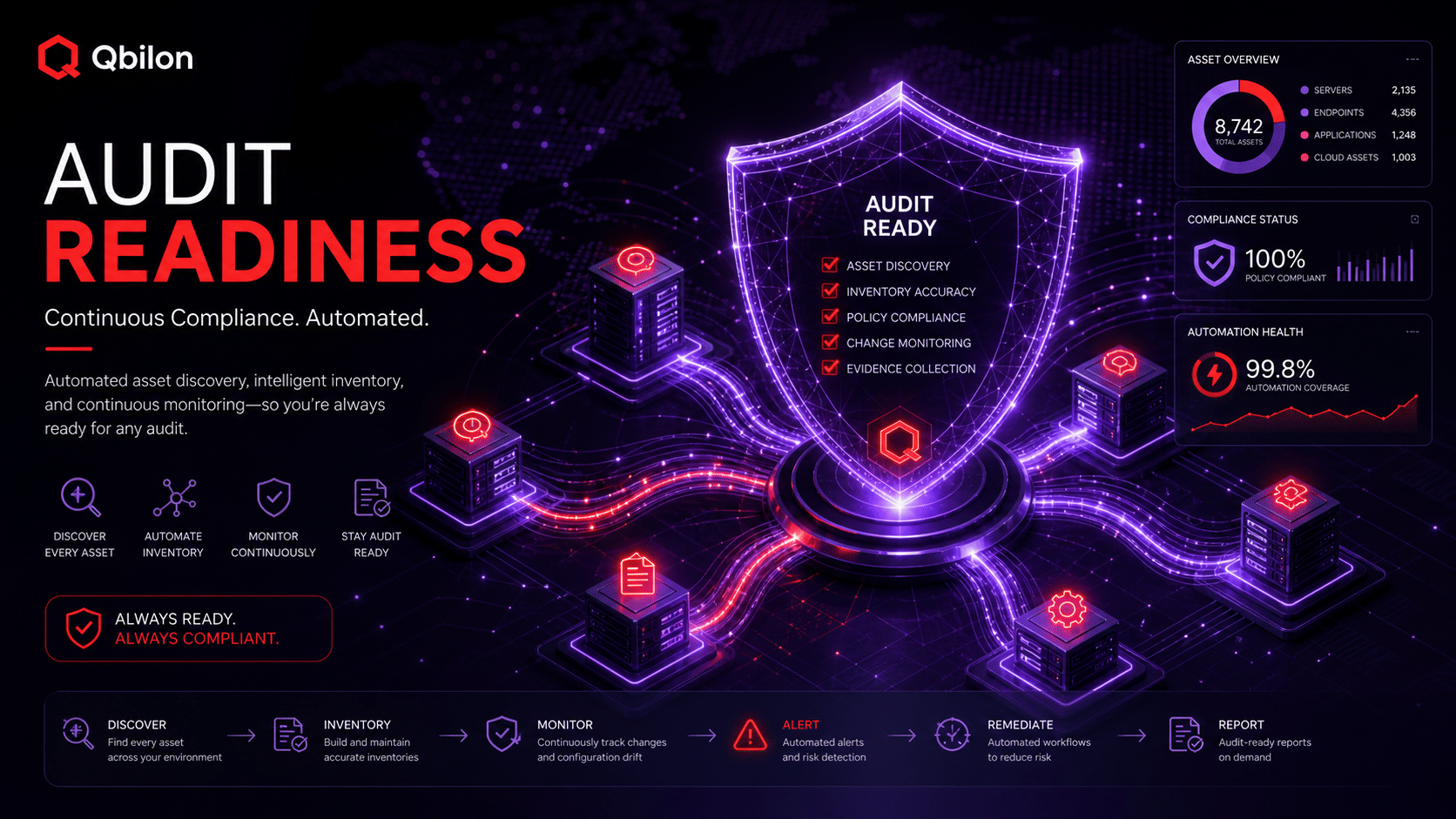
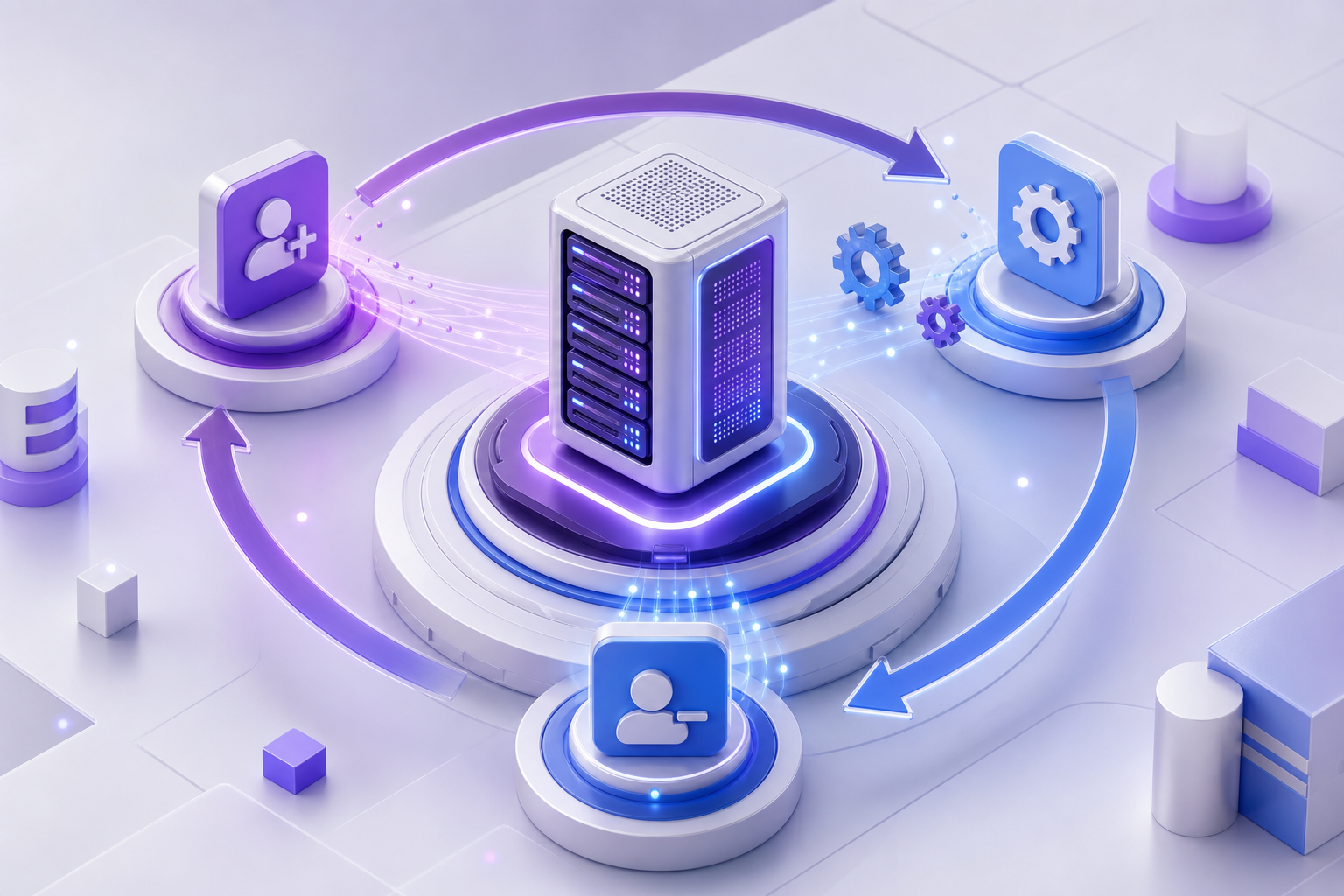
Attempting to monitor the Cloud with tools from the era of local data centers is doomed to fail. To get a handle on Ephemeral IT, IT documentation must undergo two radical paradigm shifts: Shift 1: From Interval Scans to Event-Based APIs: The CMDB must no longer actively ask ("Will you scan the network?"), but must continuously listen. Modern platforms like Qbilon integrate directly into the event streams of Cloud providers via native APIs (such as AWS CloudTrail or Azure Activity Log). When a new VM is started in AWS, AWS sends an event in real-time. Qbilon captures this event at that same moment and creates the asset. When the VM is terminated five hours later, Qbilon receives the deletion event. Nothing falls through the cracks anymore. Shift 2: Time-Series Data Storage: When the deletion event arrives, the data record must not simply be deleted or overwritten. The database must provide the asset with an "End-of-Life" timestamp but must keep the record. This creates a seamless time series (Time Machine).
Conclusion: The Cloud Needs an Incorruptible Memory
The dynamism of the Cloud is a blessing for software development, but it must never become a black hole for IT security and asset management. To securely manage fleeting assets, containers, and serverless architectures, companies need a platform that can keep up with the pace of the Cloud. Through event-based tracking and strict historicization, Qbilon ensures that even the shortest-lived asset is not forgotten. Because only what is documented can be analyzed, audited, and secured in an emergency.