The invisible ROI of an automated CMDB
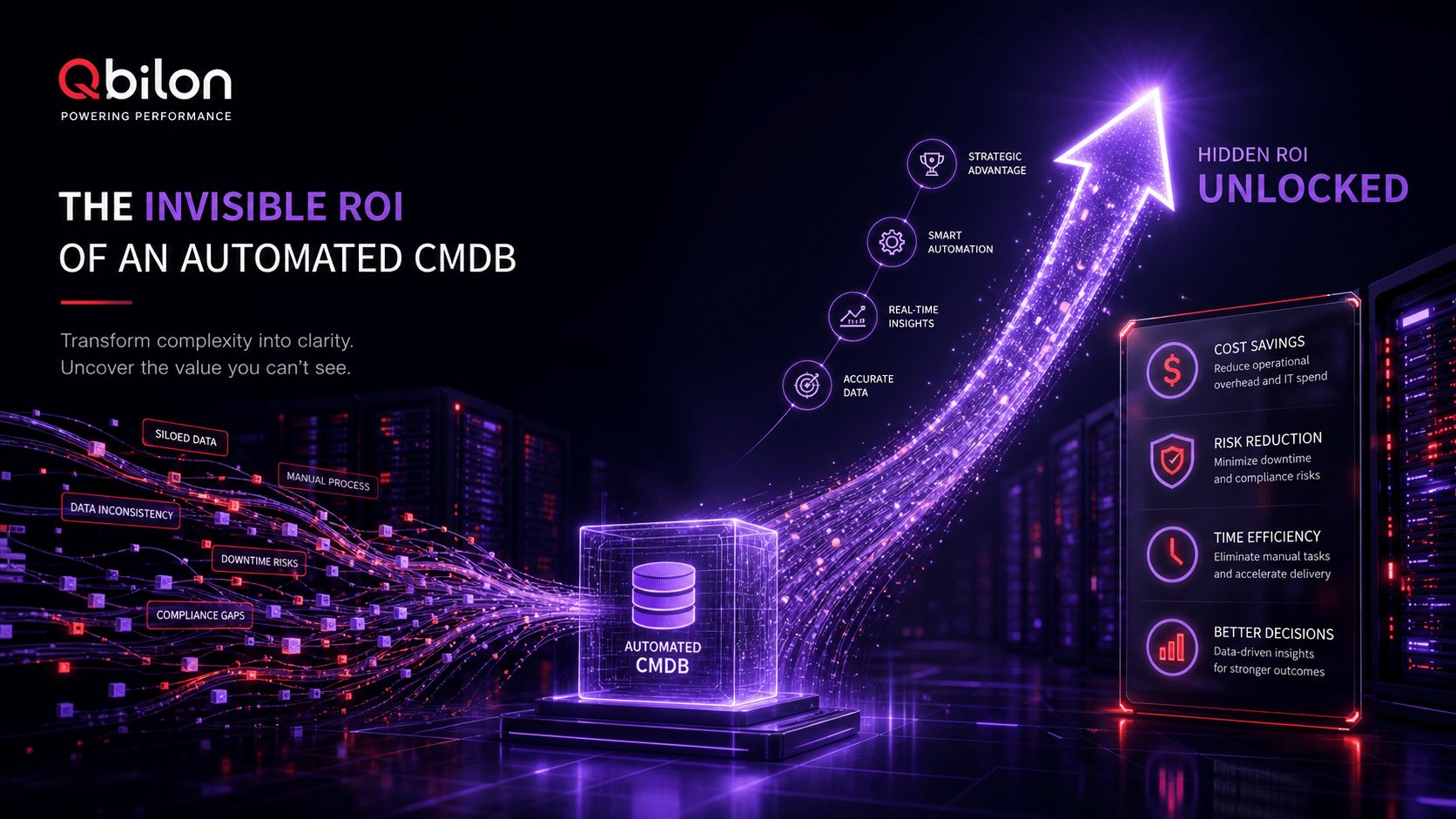
When IT decision-makers (CIOs, IT managers) ask the CFO for a budget for a new, automated Configuration Management Database (CMDB) or an IT Asset Management system (ITAM), they are often met with skeptical looks. "Why should we spend a lot of money on a database that basically just manages what we've already bought? Isn't our old ticketing system or an Excel spreadsheet enough for that?" This reaction is understandable. Unlike a new e-commerce platform that directly increases sales, or a high-end storage system that noticeably speeds up processes, a CMDB seems like a pure administrative tool at first glance. It is seen as a "cost driver" without an obvious return. But this impression is vastly misleading. The Return on Investment (ROI) of a modern, API-driven and historized CMDB like Qbilon is massive. It is just invisible at first glance. In this post, we uncover the hidden savings potential and show how an automated Asset inventory pays for itself within a few months.
Software License Optimization (The "low hanging fruits")
Let's start with the most obvious and fastest realizable ROI factor: software licenses. In large companies, software is often licensed on suspicion or forgotten to be canceled when employees leave the company or departments are restructured. An automated CMDB immediately brings light into the dark. It continuously compares the licenses purchased from the procurement system with the applications actually installed and used on the end devices. Are we paying for 500 Microsoft Visio licenses, even though the tool was only opened on 120 computers in the last month? Are there expensive database licenses on servers that are used for pure testing purposes and for which free developer licenses would actually suffice?
- The savings potential in software licenses (Software Asset Management) is almost always in the high five-figure, often in the six-figure range – per year. This point alone usually fully finances the introduction of a CMDB in the first year. Cloud Cost Control (FinOps) and "Orphaned Assets" The move to the Cloud (AWS, Azure, Google Cloud) promised flexibility, but led to a real cost explosion in many organizations. This is because resources can be provisioned today with a click of a mouse. The developer team starts five powerful virtual machines for a load test on Friday. The test is completed on Sunday, but no one shuts the machines down. These so-called "Orphaned Assets" (abandoned resources) cause horrendous costs month after month. An automated Asset platform ruthlessly identifies these blind spots. It points out servers without affiliation to an active project, finds unused storage volumes and unattached IP addresses (Elastic IPs in AWS cost money, even if they are not used!). By aggregating and analyzing this data, the CMDB takes on a decisive role in Cloud Financial Management (FinOps) and drastically reduces monthly Cloud bills.
Reduction of Mean Time to Resolution (MTTR) during outages
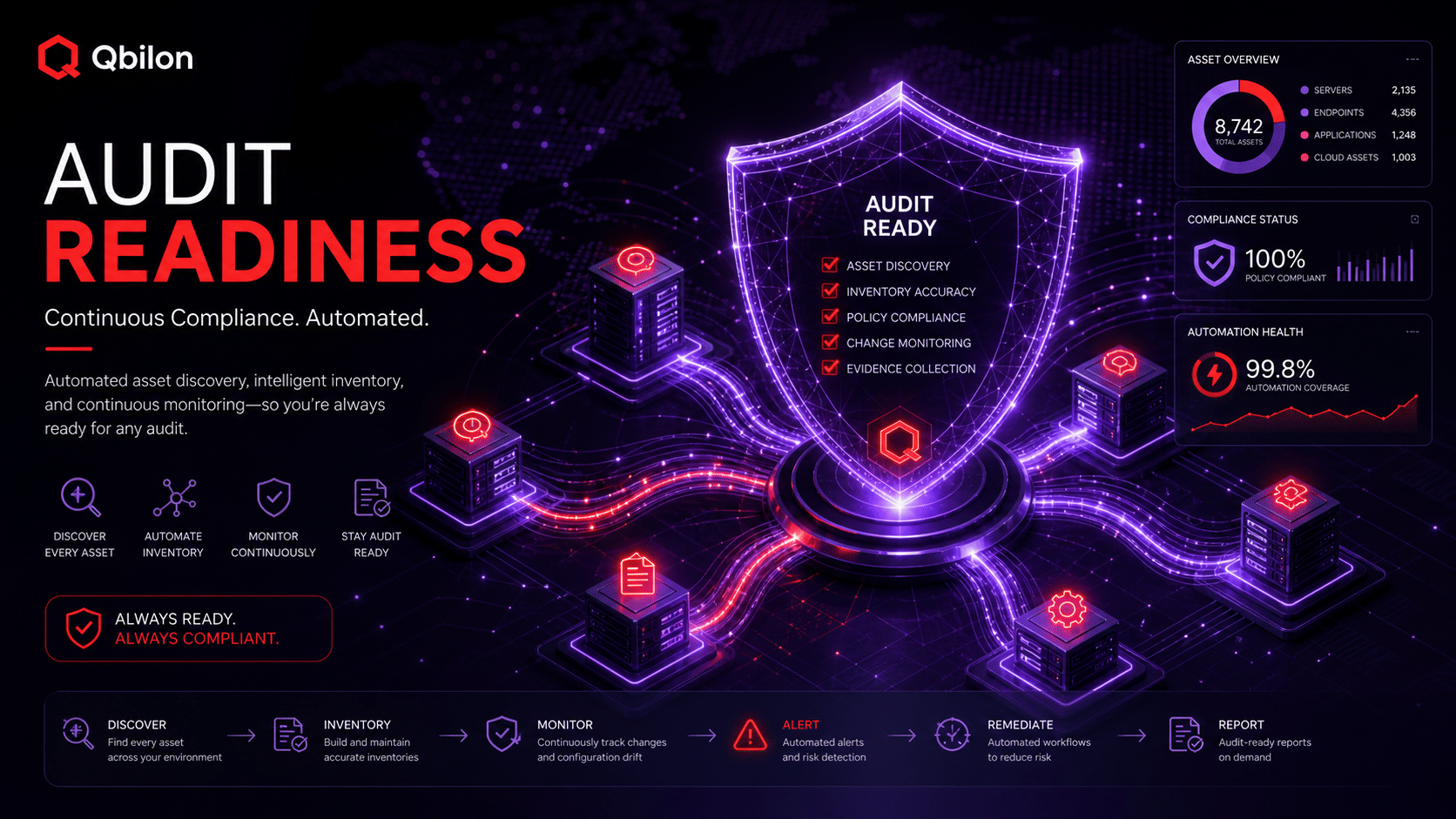
Time is money – nowhere is this more true than during the failure of business-critical IT systems. If the ERP system fails, in the worst case, logistics or production come to a standstill. The costs for an hour of downtime quickly run into tens of thousands for medium-sized companies. As we described in our post on Root Cause Analysis, administrators without a reliable CMDB spend hours blindly looking for the cause, scrolling through network diagrams and reconstructing dependencies. With an automated, historized CMDB, this search time (the Mean Time to Resolution, MTTR) is drastically shortened. The system immediately shows which changes were made to the infrastructure and which systems are affected. If a modern CMDB shortens only two major failures per year by one hour each, the investment has already paid off many times over for the company. Audit Preparation: The End of Resource Waste We have spoken extensively about NIS-2, ISO 27001 and BSI IT-Grundschutz. What we have not yet quantified is the absurd personnel effort that manual audits cause. In organizations without automated documentation, highly paid IT specialists (network architects, security analysts, cloud engineers) spend weeks before an audit collecting screenshots, comparing Excel lists and formatting reports for auditors. This is not only extremely frustrating for employees, it is also a massive misallocation of resources. These experts should be improving and securing systems, not acting as glorified data collectors. A solution like Qbilon generates these evidences at the touch of a button. The savings in working time (and nerves) before every audit are enormous and can be clearly converted into personnel costs (FTEs).
Conclusion: From cost debate to value creation
- The next time you talk to your management about the budget for an IT documentation platform, change the narrative. Don't talk about databases, interfaces or IT inventory. Talk about license optimization, Cloud FinOps, drastically reduced downtime costs and freeing up valuable working time for your best employees. The ROI of a modern, automated CMDB is not invisible – you just have to know where in the balance sheet to look for it.