“You can’t protect what you can’t see” – Why 2026 Will Be the Year of Radical IT Transparency
There is a phrase repeated like a mantra in the cybersecurity industry, yet few companies have truly internalized it: “You can’t protect what you can’t see.”
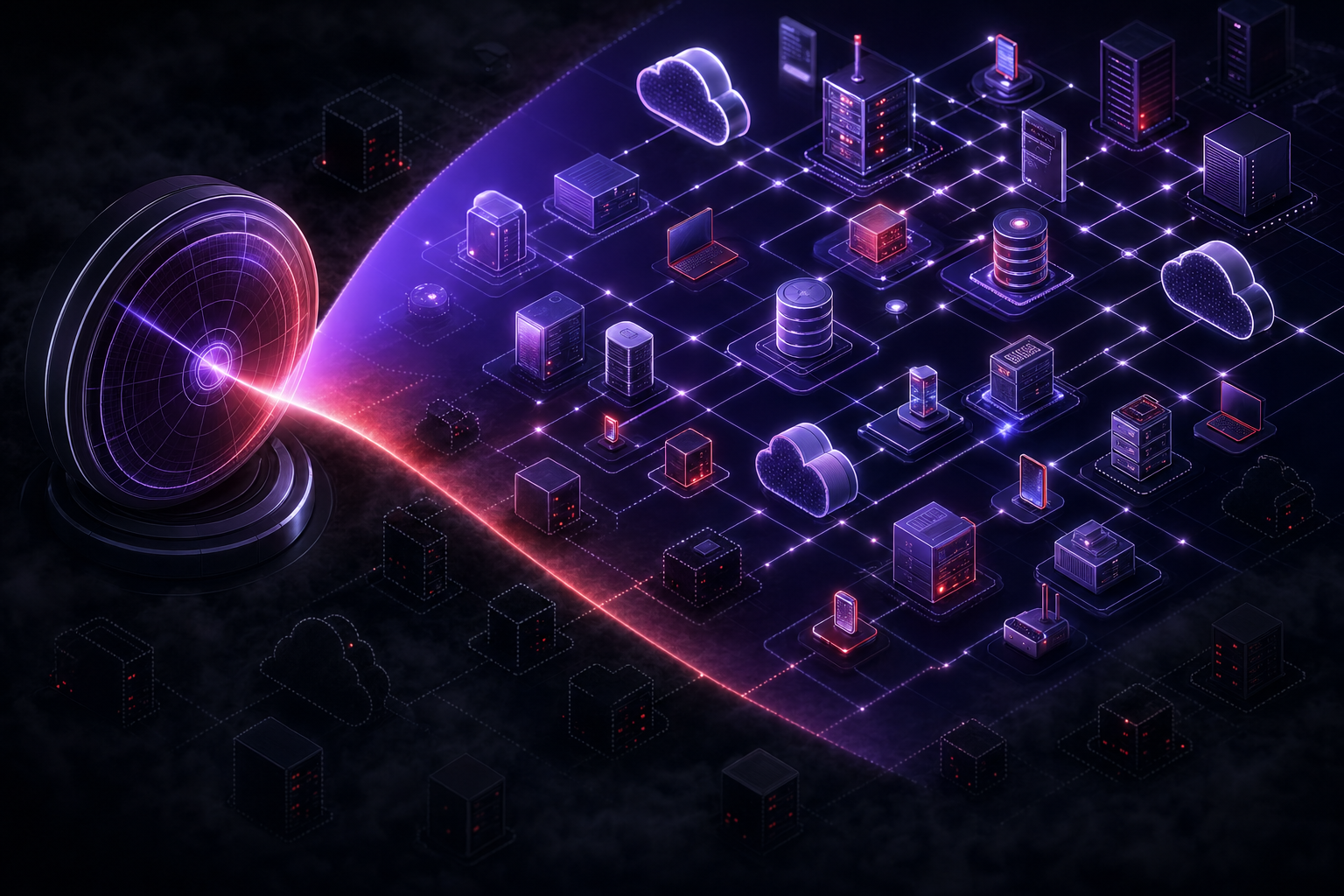
- The statement is banal, but its consequences are devastating. In a shockingly high number of serious cyberattacks in recent years – from ransomware attacks on hospitals to data breaches at major banks – the root cause was not primarily a missing firewall or a novel exploit, but a blind spot. A server that no one was maintaining anymore. A cloud instance that no one had documented. Shadow IT that the security team simply didn't have on their radar. In 2026, we stand at a turning point. The combination of escalating cyber threats, exploding cloud complexity, and strict new regulations (NIS-2, CRA, DORA) is forcing companies to an uncomfortable realization: the status quo of IT visibility is no longer sustainable. 2026 will be the year in which radical IT transparency transforms from a “nice-to-have” best practice into an existential necessity.
The Three Drivers of the Transparency Revolution
Driver 1: The Regulatory Sledgehammer (NIS-2) With NIS-2, IT transparency becomes a legal requirement. The directive demands a complete asset inventory, continuous monitoring, and historical proof of evidence. Companies that have to admit to an auditor that they are unaware of parts of their infrastructure are legally considered non-compliant. The blind spot becomes a fine risk. Driver 2: The Cloud Explosion (Ephemeral IT) The migration to the cloud has revolutionized IT agility – and destroyed IT clarity. Virtual machines, containers, and serverless functions often exist for only minutes. Classic inventory methods (weekly network scans, manual Excel lists) are completely unsuitable for capturing this dynamic. Those who do not monitor the cloud in real-time have no control. Driver 3: The Escalation of the Threat Landscape (Ransomware & Supply Chain) Cybercriminals specifically look for blind spots. They do not attack the well-monitored firewall, but rather the forgotten VPN access, the unpatched test server, or the unsecured API interface. A company's attack surface is only as small as its weakest, invisible link. From CMDB to Cyber Asset Attack Surface Management
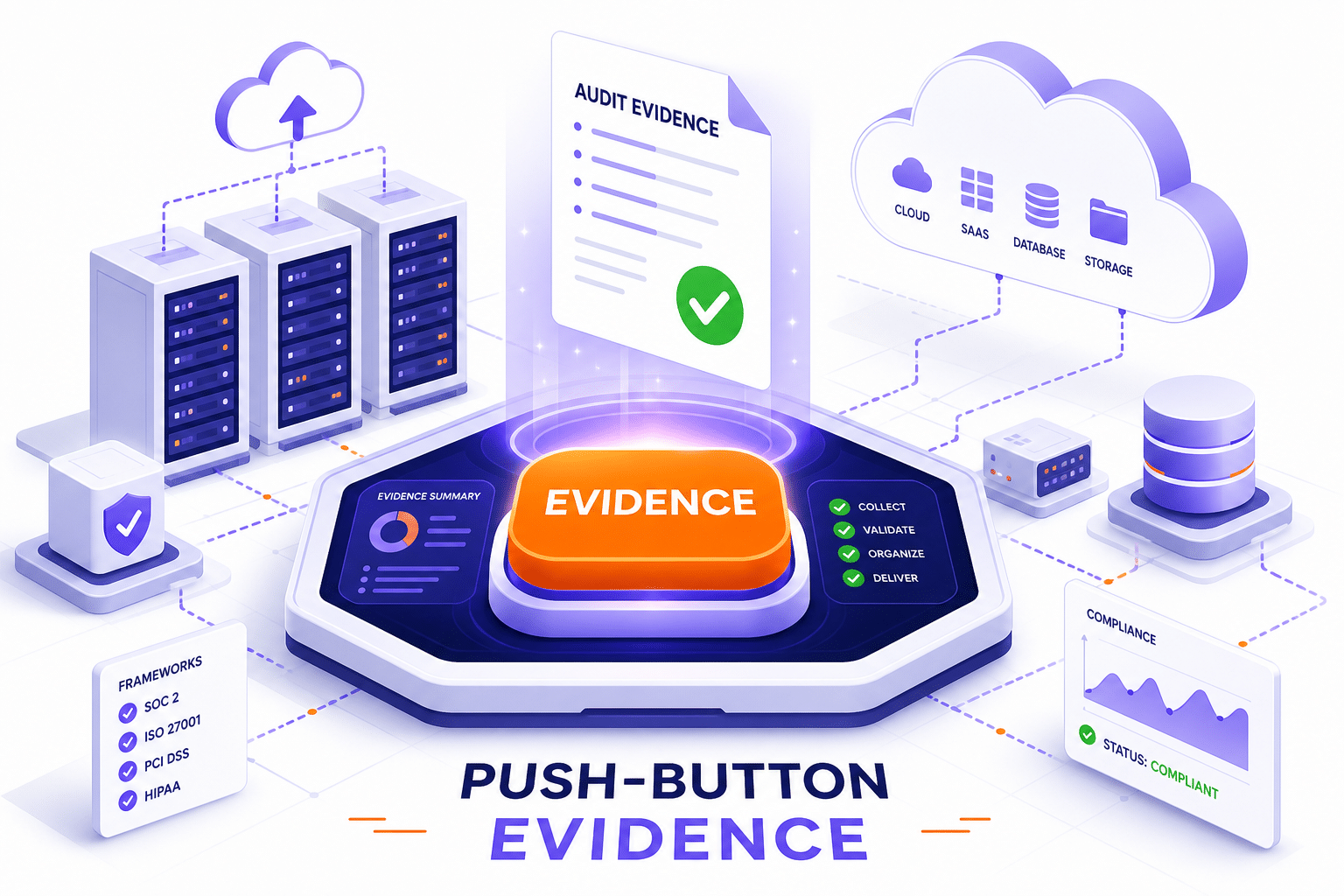
- The consequence of these three drivers is a strategic evolution. Classic IT asset management (ITAM) as a mere “accounting exercise” is no longer sufficient. We are moving towards Cyber Asset Attack Surface Management (CAASM) – an approach that views IT infrastructure not from an accountant's perspective, but from a security-oriented internal perspective: all assets are consolidated, scanned for security gaps, and prioritized by risk. CAASM doesn't ask: “What do we own and what does it cost?” CAASM asks: “Where are we vulnerable? Which of our systems are unprotected? Which gaps can a hacker exploit?” To answer these questions, you need a platform that automatically discovers, consolidates, and enriches all IT assets (cloud, on-premise, OT, shadow IT) with security data. A platform that doesn't just inventory, but reveals attack surfaces and prioritizes security gaps. Qbilon: The Path to Radical Transparency Qbilon positions itself exactly at this strategic turning point. Starting as a powerful, automated CMDB that enables companies to achieve NIS-2 compliance through historized data and “push-button evidence,” Qbilon is continuously evolving towards CAASM. Through agentless API integrations, Qbilon creates the “single source of truth” you need to illuminate every corner of your IT landscape. Shadow IT becomes visible, orphaned resources are identified, and security gaps are linked to the business context that is indispensable for risk-based prioritization.
Conclusion: Visibility is the New Foundation
In 2026, you can no longer afford to operate blindly. Regulatory, operational, and security constraints demand radical transparency. Whether you want to pass NIS-2 audits, optimize your cloud costs, or minimize your attack surface – everything begins with the same prerequisite: you must know what exists in your network. Start building your “single source of truth” now. End the blind flight. Because you can only protect what you can see.