NIS-2 is Here – and Your IT Documentation is No Longer Sufficient
The European cybersecurity landscape has reached a massive turning point. With the full implementation of the NIS-2 directive into national law, the rules of the game for IT managers are changing fundamentally. What long seemed like a distant bureaucratic project has now become a hard reality – and for many companies, the realization is coming with surprising brutality: the way they have documented their IT infrastructure up to now is simply no longer sufficient. In this post, we shed light on why NIS-2 heralds the death of traditional IT documentation, which specific gaps auditors will uncover first, and why the moment has come to radically automate your IT transparency.
The New Rigor of the Auditors
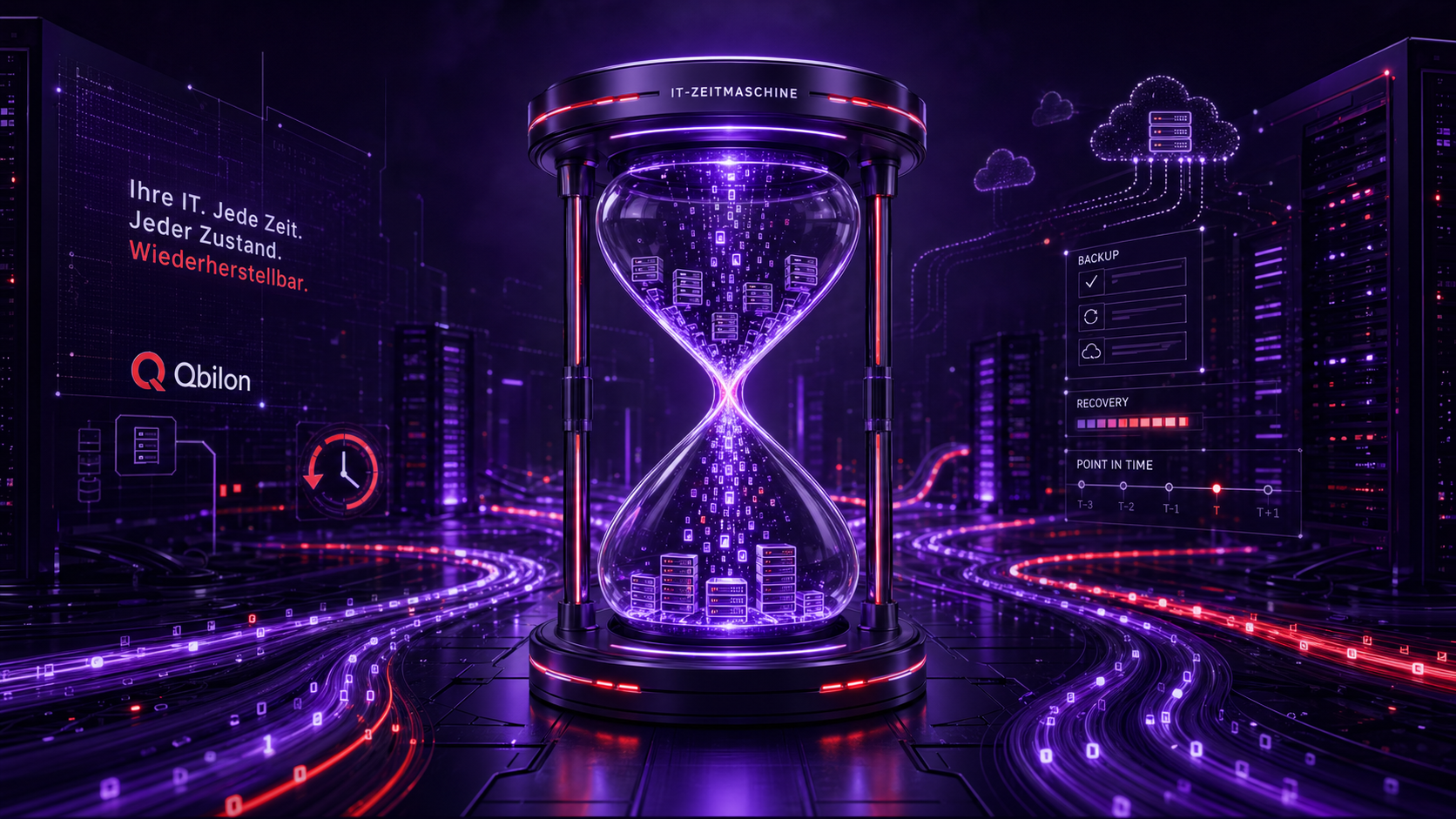
NIS-2 is not just another compliance framework that can be checked off with a few updated Word documents and a fresh Excel list. The directive brings two elementary changes that turn the way IT departments work upside down. First: The personal liability of management. If a significant security incident occurs and it is proven that fundamental duties were neglected, managing directors and board members are liable in the worst case with their private assets. This means: IT management must not only assure the executive board that everything is in order – they must be able to prove it. Second: The shift from point-in-time checks to continuous proof of duty (Continuous Compliance). An auditor will no longer be satisfied with you presenting a current list of your servers on the day of the audit. They will demand: "Show me the state of your IT landscape on February 14th of this year." Can you do that?
The Three Fatal Gaps in Your Current Documentation
If you are honest, your current IT documentation most likely has at least one of these three gaps:
- The Shadow IT Gap: Your CMDB or asset register contains the systems known to you. But in today’s modern, decentralized working world, new IT resources are created daily outside the view of central IT. Departments book SaaS services, developers launch cloud instances, and field staff use private cloud storage. This shadow IT is the number one gateway for cyberattacks – and it simply does not exist in your documentation. A NIS-2 auditor will look for exactly these blind spots.
- The Historization Gap: Most IT databases simply overwrite data when a change occurs. If a server had the IP address 10.0.5.55 yesterday and was changed to 10.0.6.100 today, the old address is gone. The past has been deleted. For NIS-2, which demands the seamless traceability of changes, a database without historization is like a book where someone has torn out half the pages.
- The Context Gap: A flat list of server names and IP addresses is no longer enough. Auditors demand business context: Which business process depends on this server? Who is the responsible asset owner? What protection level does the system require? Without this dependency mapping, your documentation remains a content-free enumeration.
The Way Out of the Documentation Trap
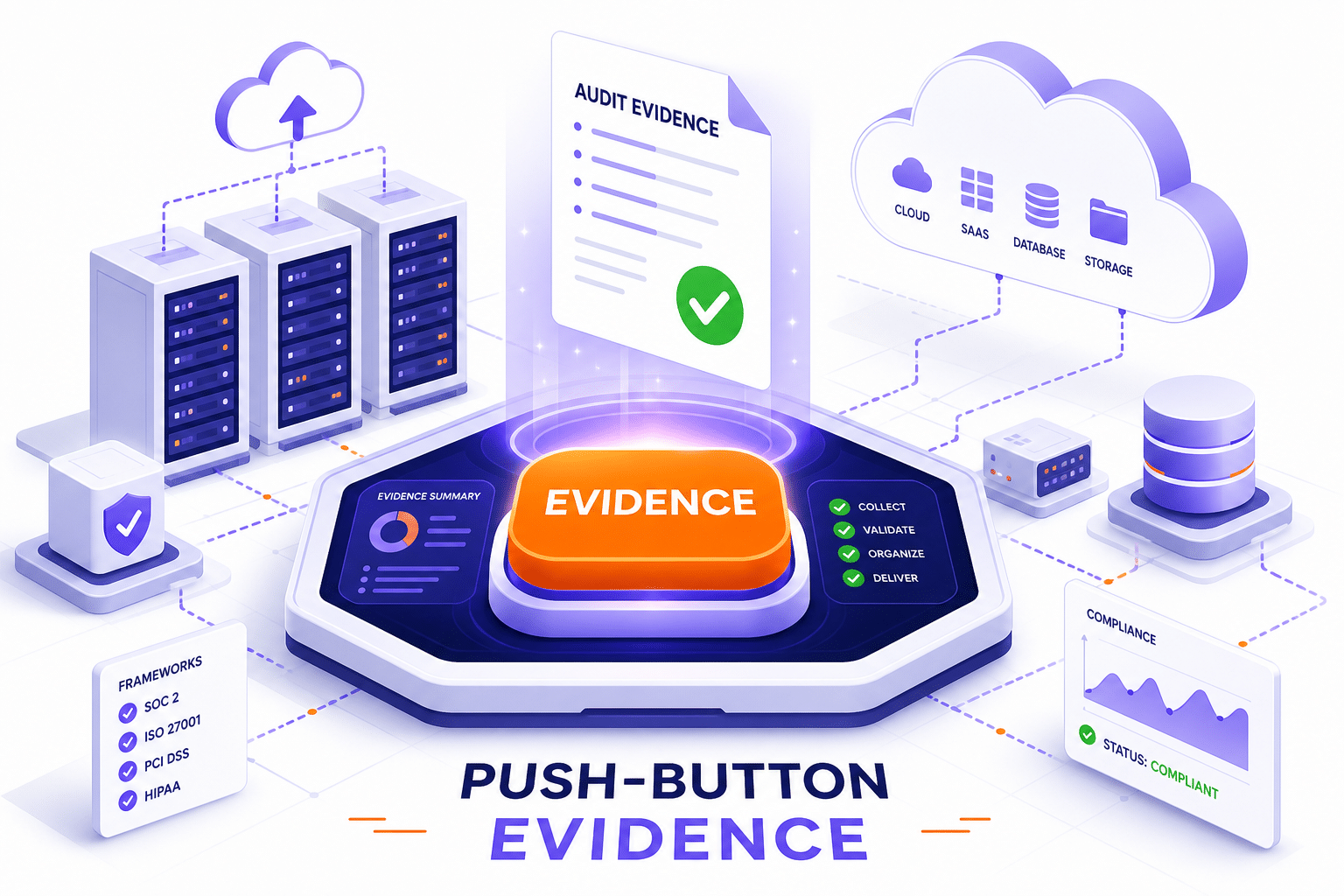
The good news: The solution to all three gaps lies in automation. Manual maintenance models are doomed to fail in hybrid, cloud-driven environments. What you need is a platform that hooks directly into your infrastructure via APIs and not only records data but also normalizes it, enriches it with context, and historizes it. This is exactly where Qbilon comes in. As a central IT hub, Qbilon connects agentlessly to your cloud providers, virtualization environments, and networks. It creates a "Single Source of Truth" that is seamless, up-to-date, and historized. When the auditor asks for the state of February 14th, you select the date in the dashboard and export the report at the touch of a button.
Conclusion:
The Pressure to Act is Now
NIS-2 does not wait. The grace periods have expired, and the first auditors are at the starting blocks. Those who do not bring their IT documentation up to the level of regulatory requirements risk not only fines – up to 10 million euros or 2% of total worldwide annual turnover – but the security of the entire company. Use the moment to lay the foundation for automated, historized, and context-rich IT transparency. It is the best insurance policy you can take out for your business.