
Why ''Compliance'' Is Not Equivalent to ''Security'' (and How to Achieve Both)
Compliance is not the same as Security
In boardrooms and IT departments around the world, a dangerous misconception is being nurtured. It usually manifests in a moment of relief, shortly after the external auditor finishes the closing meeting and hands over the ISO 27001 certificate or confirms NIS-2 compliance. The IT manager breathes a sigh of relief, the managing director smiles, and the unspoken consensus in the room is: "We are compliant. We've checked all the boxes. We are now secure."
Three months later, a ransomware gang encrypts the central ERP system, "kidnaps" terabytes of customer data, and brings production to a standstill. The company is in shock: "How could this happen? We passed the audit with top marks!"
The bitter truth that many companies will have to learn the hard way in 2026 is: Compliance is not equivalent to Security. In this post, we untangle these two often confused disciplines, highlight the dangers of pure "paper security," and explain how automated asset management builds the fundamental bridge between passing audits and actually fending off hackers.
The different goals of Compliance and Security
To understand the misconception, we must look at the fundamentally different objectives and approaches of both worlds.
- Compliance is static and retrospective: Compliance (adherence to rules) asks: "Have we met the defined minimum standards?". A framework like NIS-2 or BSI IT-Grundschutz provides guardrails. It requires a process for patch management, it requires an asset inventory, and it requires regular training. An auditor checks whether these processes occurred in the past (historical evidence) as documented. Compliance is essentially the proof to third parties (authorities, customers) that you are following the rules of the game.
- Security is dynamic and proactive: Cybersecurity (information security), on the other hand, asks: "Can we fend off a highly motivated, intelligent attacker right now, at this very moment?". A Russian ransomware syndicate or a state-sponsored APT (Advanced Persistent Threat) group couldn't care less about your ISO certificate on the wall. They aren't looking for missing process descriptions. They are looking for the one unpatched VPN gateway, the misconfigured cloud storage, or the stolen administrator password. Security is the hard, dirty street fight in real-time.
The problem with the "Checklist Mentality"
When companies focus primarily on compliance (because audits are pending and fines loom), they often fall into a checklist mentality.
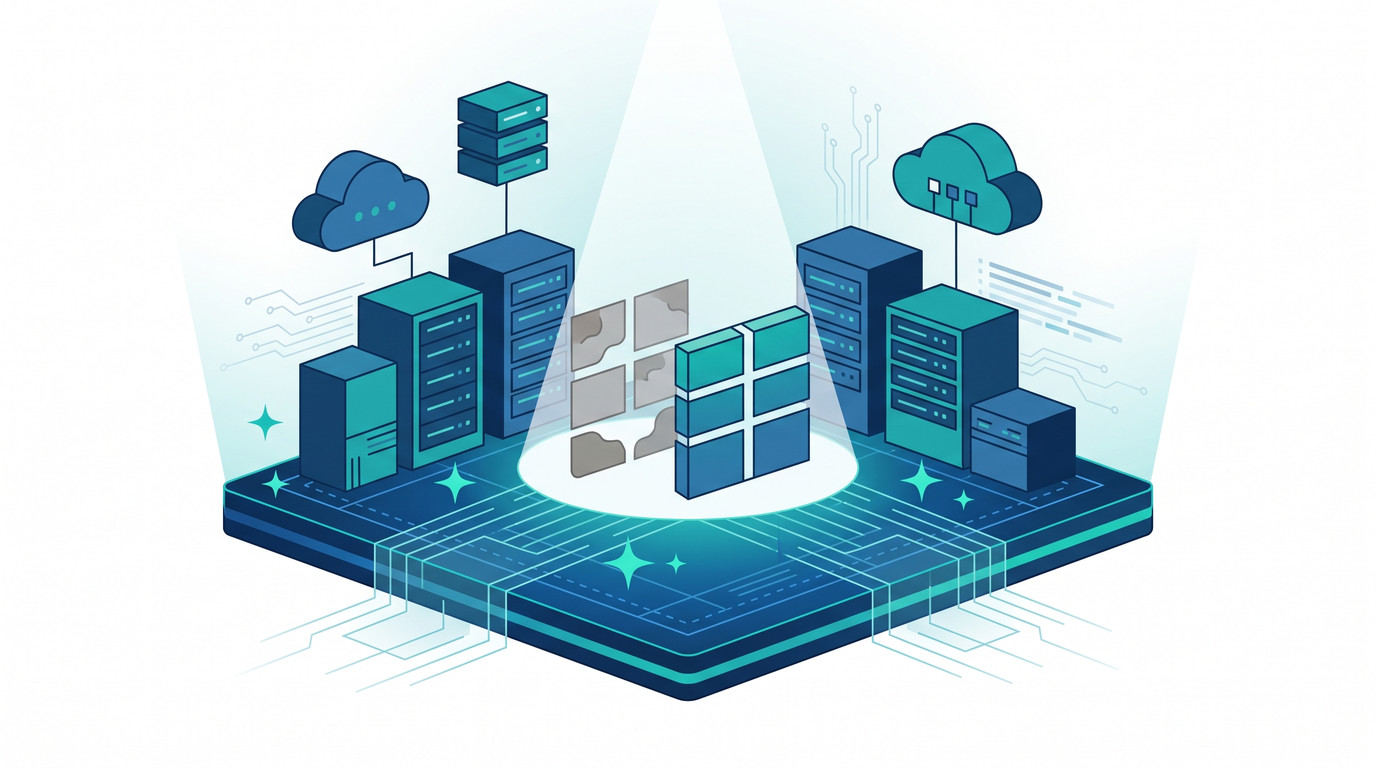
A classic example: A company buys an expensive endpoint security solution (EDR) because the framework requires "modern endpoint protection." The software is installed on 90% of the servers. The auditor checks the box, the audit is passed. But from a security perspective, those 90% are a disaster: The remaining 10% of servers (often old legacy systems or shadow IT) form the blind spot. The attacker will find exactly those unprotected 10%, compromise them, and move laterally through the network from there.
Those who build only for the auditor build a house with a heavy armored door at the front but forget that the windows at the back are wide open.
The common denominator: Seamless visibility
How do you solve this dilemma? How do you ensure that you pass audits confidently (Compliance) while simultaneously establishing real, proactive protection (Security) without driving IT budgets to infinity?
The answer lies in the realization that both disciplines must be built on exactly the same foundation: Radical, seamless visibility into your own IT infrastructure.
A modern, automated platform like Qbilon is the perfect tool to bridge this gap:
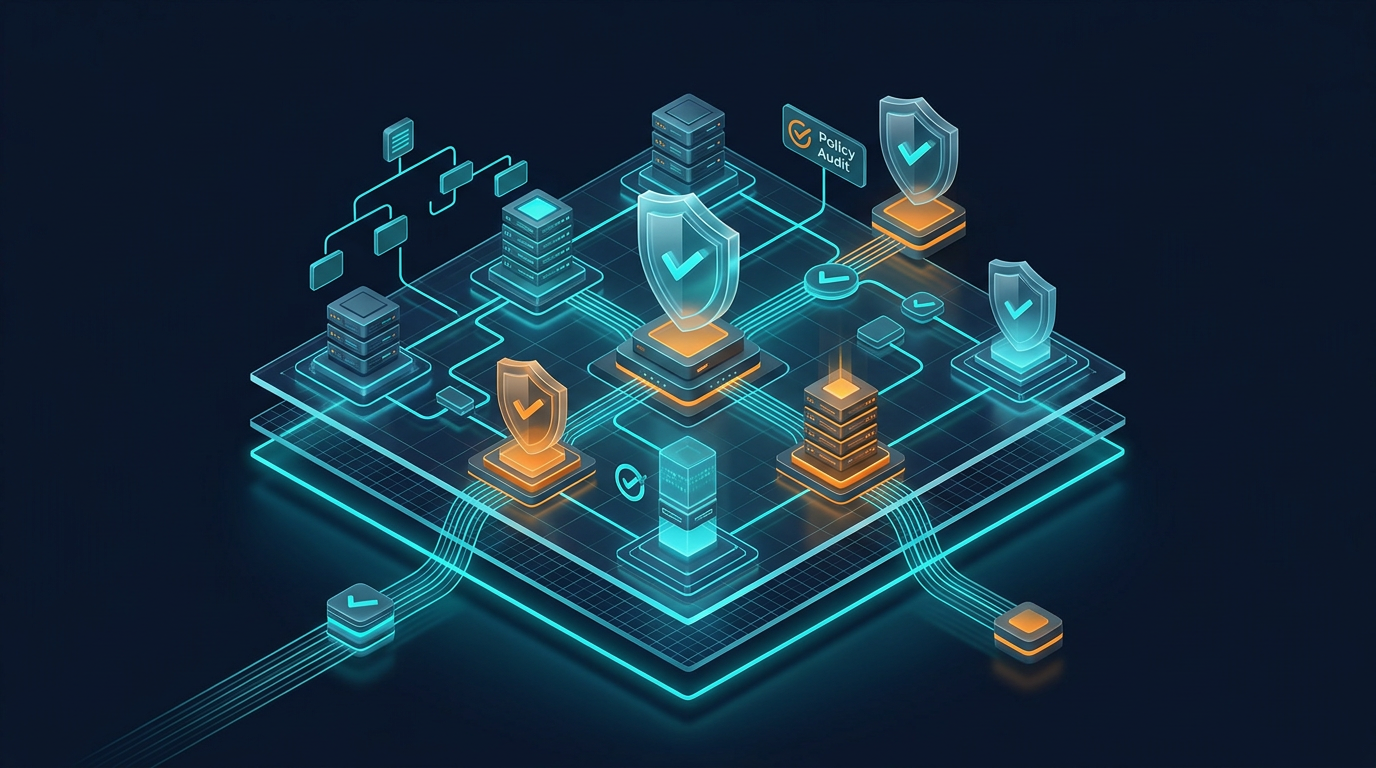
- For the Compliance team: Qbilon provides the historical "Time Machine." It documents every change, tracks the history of cloud instances, and provides the "push-button evidence" that the auditor wants to see to confirm NIS-2 compliance. The team saves hundreds of man-hours in audit preparation.
- For the Security team: At the same time, the same platform provides the Security Operations Center (SOC) with a high-resolution, real-time image of the attack surface. If a new cloud server is spun up without an EDR agent installed, the system immediately triggers an alarm. The 10% blind spots are eliminated. The SOC can immediately prioritize vulnerabilities based on context because it can instantly read dependencies in the CMDB.
Conclusion: Build security, and compliance will follow
Flip the mindset in your company. Stop implementing security processes just to fulfill an audit requirement.
Instead, build an IT landscape characterized by transparency, automation, and continuous monitoring (Continuous Security). Use data-driven asset management to illuminate every corner of your network. If you truly know, control, and secure your infrastructure, passing a compliance audit becomes an almost trivial byproduct of your operational excellence. True security brings compliance along automatically—unfortunately, the reverse is not true.